From the Hills of Almora to Olympic History, The Rise of Lakshya Sen

From the Hills of Almora to Olympic History, The Rise of Lakshya Sen

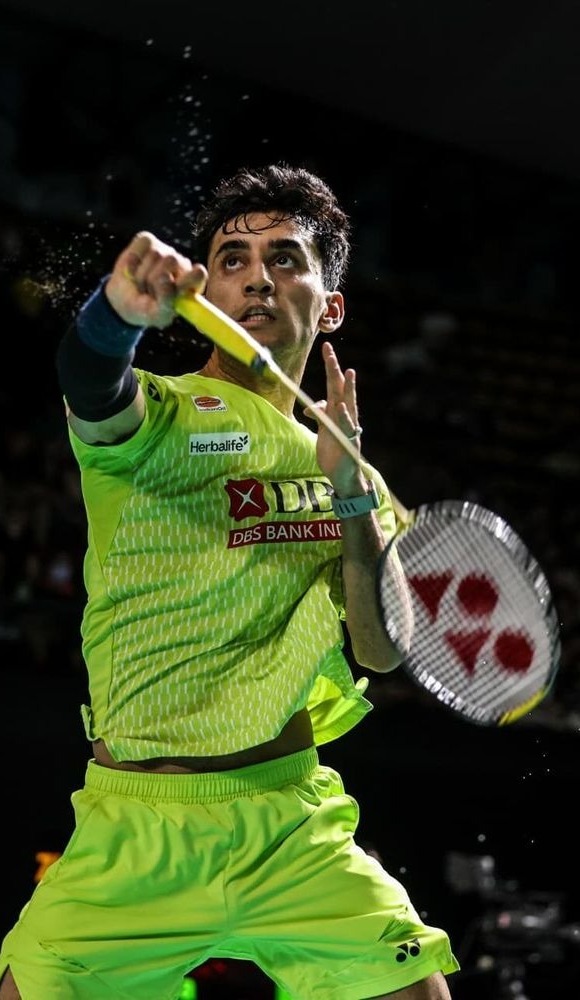
International badminton player Lakshya Sen has brought pride to India not only nationally but also internationally through his outstanding performances. He was born on 16 August 2001 in Almora district of Uttarakhand into a family where three generations have been associated with badminton. His grandfather was known as the “Bhishma Pitamah of badminton in Almora.” His father, D.K. Sen, has served as a national-level coach, while his elder brother, Chirag Sen, is also an international badminton player. Lakshya began his badminton journey at the Hemanti Nandan Bahuguna Sports Stadium in Almora and later received professional training at the Prakash Padukone Badminton Academy in Bengaluru. In 2014, he won the Swiss Junior International title and continued to impress in the junior badminton circuit in 2016. At the 2024 Summer Olympics, Lakshya Sen became the first Indian male shuttler to reach the semifinals in the men’s singles event. He is also a Commonwealth Games gold medalist and a World Championship bronze medalist. At a very young age, he established his identity on both national and international platforms and won several prestigious medals. Major Achievements and Awards:

From the Hills of Almora to Olympic History, The Rise of Lakshya Sen Read More »
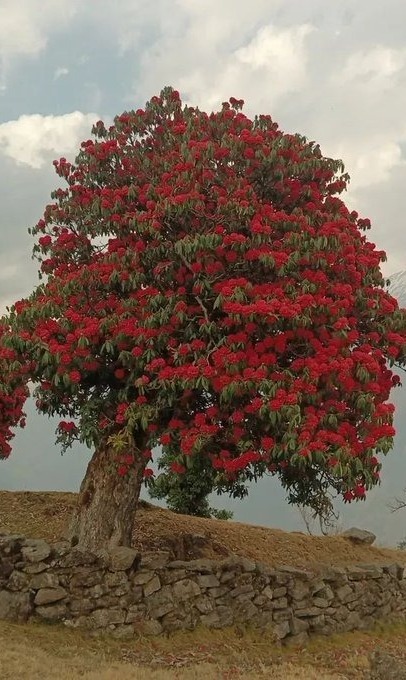
From Heart Health to Glowing Skin, Why Burans Juice is a Mountain Favorite

From Heart Health to Glowing Skin, Why Burans Juice is a Mountain Favorite

As summer approaches, people in the mountains start craving burans (rhododendron) juice. Rhododendron juice is not only delicious but also incredibly beneficial for health. The rhododendron flower is a highly potent red flower found in the high Himalayan regions of Uttarakhand, whose juice is highly beneficial for health. It is naturally antioxidant, anti-inflammatory, and rich in iron, which is considered beneficial for heart health, digestion, and skin. Rhododendron juice also helps control blood pressure and balances cholesterol levels. It detoxifies the body and is also used in the preparation of medicines. Rhododendron juice also helps prevent heat stroke in the summer. It contains a natural cooling agent that helps maintain body temperature and provides a cool feeling. Rhododendron juice is found everywhere in the mountains. Drinking two glasses of juice daily can help brighten your face, treat anemia, heart problems, and even liver ailments.

From Heart Health to Glowing Skin, Why Burans Juice is a Mountain Favorite Read More »

From Bollywood to Her Roots: Himani Shivpuri’s Mission to Transform Her Village

From Bollywood to Her Roots: Himani Shivpuri’s Mission to Transform Her Village

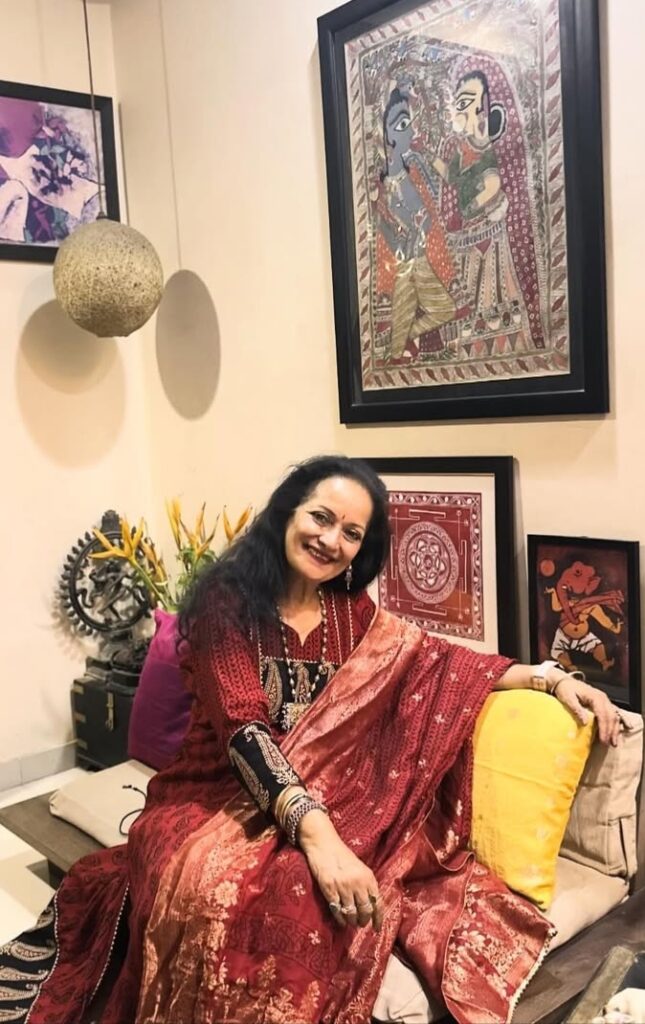
Himani Shivpuri is a veteran Indian actress known for her remarkable contribution to Hindi cinema and television. She was born on 24 October 1960 in Dehradun, Uttarakhand, and originally belongs to Bhatwari village in Rudraprayag district. Himani comes from a Garhwali Brahmin family deeply connected to the culture and traditions of Uttarakhand. She received professional acting training from the prestigious National School of Drama and later became one of the most recognized supporting actresses in Bollywood during the 1990s. Her father, Haridutt Bhatt Shailesh, was a renowned writer and teacher. Himani completed her early education at The Doon School and pursued her Master’s degree in Organic Chemistry from DAV College. Over the years, she appeared in several blockbuster Bollywood films including Hum Aapke Hain Koun..!, Dilwale Dulhania Le Jayenge, Kuch Kuch Hota Hai, Pardes, Hero No. 1, and Biwi No.1. She was married to Gyan Shivpuri, who was related to acclaimed actor Om Puri. Himani Shivpuri is regarded as one of the most beloved supporting actresses in family-oriented films of the 90s and has been actively working in films and television for more than two decades. Apart from her acting career, Himani Shivpuri has adopted her ancestral village, Bhatwari, with a vision to transform it into a model village. She has been working toward improving the living standards of villagers and reviving migration-affected areas through better education, healthcare services, and employment opportunities. She has also ensured ambulance facilities for villagers and promotes organic farming and animal husbandry to strengthen rural livelihoods. Himani is also focused on women’s skill development by encouraging eco-friendly products made from cow dung and promoting sustainable handicrafts. Her mission is to make the village self-reliant and inspire the younger generation to reconnect with their roots. Her dedication toward her native village reflects her deep love for Uttarakhand and serves as an inspiration for many. Major Awards and Recognitions

From Bollywood to Her Roots: Himani Shivpuri’s Mission to Transform Her Village Read More »

Fusion of Uttarakhand traditional attire, Positive or Negative

Fusion of Uttarakhand traditional attire, Positive or Negative

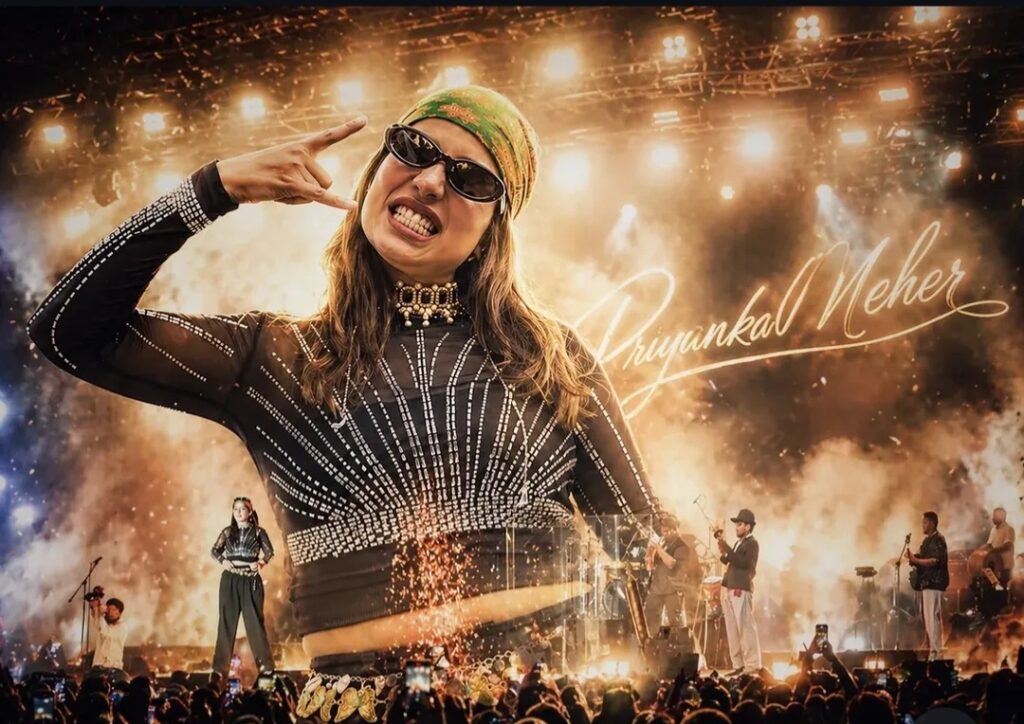
The traditional attire of Uttarakhand is known for its beauty and cultural identity. Now a days the traditional outfit are being used with modern dresses to create a new fashion trend this allows for a beautiful blend of tradition and modernity. In today’s time traditional wear is no longer limited to culture but has also become an important part of modern fashion. Traditional clothing of Uttarakhand such as ghagra, Paranda, Nathula, pahunchi, guloband, angadi et cetera are being fused with modern dresses to create a new fashion identity. Many people see this fusion as a way to preserve culture and connect youth with their tradition while some people have also show negative reactions. Recently, uttarakhand’s famous folk singer Priyanka Meher wore a modern fusions skirt made from a traditional Pahari Paranda during her life concert. Meanwhile, Uttarakhand popular influencer Gaurav Lekhwar also known as Pahadi bhauji also feature the Pahari Paranda print on his shirt people’s reaction to this were mixed many praised this modern fusion while other file that it hot their sentiments. In today’s modern era people are using traditional attire as a fashion statement. Elders believe that traditional clothing has a certain sentiments and changing it into Western style diminishes its significance. On the other hand, some believe that fusing traditional attire may lead to losing the Identity of our native culture and, In some cases wearing traditional jewellery with inappropriate western clothing also raises questions.The the Kumaoni pichhora is a traditional and sacred garment of the women of The Kumaon region in Uttarakhand which is not just a dupatta but a symbol of married women. It is also a symbol of women’s identity ,culture and good fortune. Nowadays people can be seen using it in dance videos and fashion content on social media.This makes it clear that traditional attire is no longer limited to religious and cultural occasions but has also become a part of modern fashion and social media culture.

Fusion of Uttarakhand traditional attire, Positive or Negative Read More »

"Jagar Samrat"-Pritam Bharatwan, who spread Jagar Vidya from Uttarakhand to abroad

“Jagar Samrat”-Pritam Bharatwan, who spread Jagar Vidya from Uttarakhand to abroad

Pritam Bharatwan is a folk singer from Uttarakhand. He is also known as the “Jagar Samrat” in Uttarakhand. He was born on September 17, 1970, in Sila village, Dehradun. Born into an Oji family, he inherited a musical heritage. In the hilly areas of Uttarakhand, most Oji families invoke deities through mountain songs known as Jagar. Pritam Bharatwan belongs to one of these families. He would occasionally accompany his father on special occasions to sing. Pritam Bharatwan received his schooling from his village school. From childhood, he was drawn to folk songs and musical instruments, and he enjoyed learning instruments more than studying. Pritam Bharatwan’s father, Hem Bharatwan, was his music guru, who gave him his initial musical training. He completed his further education at the Sangeet Vidyalaya, Rishikesh. Although he had been singing since childhood, his popularity came thanks to his uncle, who, exhausted at a function, handed Pritam Bharatwan the microphone for public performances. At just 12 years old, his Garhwali song collection enchanted his voice, and his Jagar performances were so popular that he became known as the “Jagar Samrat.” In 1988, he joined All India Radio and conducted radio programs for several years. He also mastered the Damau, Hudka, and Thakuli. His first success came with his debut cassette, “Taunsa Bou,” released by Rama Cassettes. He gained even greater popularity with his song “Saruli Meru Jiya Lagige.” Narayani, Paichhi Maya, Suber, Ross, Tumhari Khud, and Band Amravati have also been his super-duper hit albums. He has also brought recognition to Jagar Vidya from Asia to Europe, America, Canada, Germany, and Dubai. During his stay in the US, he introduced Americans to musical instruments like Dhol Damo at Cincinnati University in Ohio. The folk songs he sang, Jagar Pandavas, were published for the first time in 2010 by the Windsor administration in the form of a book titled Surj Kathiyon. Major Achievements and Honors He has been honored with numerous awards, including the Uttarakhand Vibhushan, Jagar Shiromani, Sur Samrat, and Himalaya Ratna. The Uttarakhand Open University, Haldwani, Kumaon, has honored him with an honorary title from the hands of the Governor. Bhagirath Putra Samman (2002) by Pravasi Uttarakhand Samaj, LudhianaUttarakhand Gaurav Samman (2002) by Delhi and national and international organizationsIn 2019, he was honored with the Padma Shri, one of the country’s highest civilian honors, by the President of India, Ram Nath Kovind, for reviving the Jagar Vidya and spreading it not only in Uttarakhand but also abroad.

“Jagar Samrat”-Pritam Bharatwan, who spread Jagar Vidya from Uttarakhand to abroad Read More »

From Delhi to Global Stage, The Inspiring Journey of Uttarakhand’s Singing Sensation Meena Rana

From Delhi to Global Stage, The Inspiring Journey of Uttarakhand’s Singing Sensation Meena Rana

Meena Rana, popularly known as the “Lata Mangeshkar of Uttarakhand” and the “Kokila of Uttarakhand,” is a renowned folk singer who has lent her voice to Garhwali, Jaunsari, and several other regional languages. She was born on May 25, 1975, in Delhi, into a Garhwali family. She completed her high school education in Delhi and later moved to Dehradun for further studies, where she finished her education at Girls’ Inter College, Mussoorie. As known for her melodious voice, Meena Rana began performing at the Akashvani Club in Mussoorie at the age of 16. Her husband, Sanjay Kumola, is the owner of Surbhi Multi Track Sound Studio. Meena Rana got her first break in the Garhwali music industry in 1992 through the Garhwali film Nauni Pichadi Nauni, alongside folk singers Mani Bharti and Pooran Singh Rawat. In the film, she sang popular songs such as Biwanu Sheru Ma, Baith Dola Ladi, and Jado Ni Chhav Mi. Over the years, she has sung in several popular Uttarakhand albums, including Chand Taro Ma, Meri Khati Meethi, Darbar Nirala Sai Ka, Uttarakhand Garhwali Teri Meri Maya, Meru Uttarakhand, Mohana, Chandra, and Lalita Chi Hum. She has also collaborated with renowned Uttarakhand singers such as Narendra Singh Negi, Pritam Bharatwan, Lalit Mohan Joshi, Anil Bisht, Gajendra Rana, and Manglesh Dangwal. Apart from Garhwali and Kumaoni, Meena Rana has recorded more than 500 songs in languages including Jaunsari, Jaunpur, Bhojpuri, Rajasthani, Kargali, Balti, and Hindi. Through her live shows and musical performances, she has played a significant role in promoting Uttarakhand’s folk music on both national and international platforms. She has also performed in countries such as Oman, Australia, and the United Arab Emirates. Major Awards and Achievements

From Delhi to Global Stage, The Inspiring Journey of Uttarakhand’s Singing Sensation Meena Rana Read More »

From Fields to Fame, Kamla Devi Becomes the Voice of Uttarakhand Folk Music

From Fields to Fame, Kamla Devi Becomes the Voice of Uttarakhand Folk Music

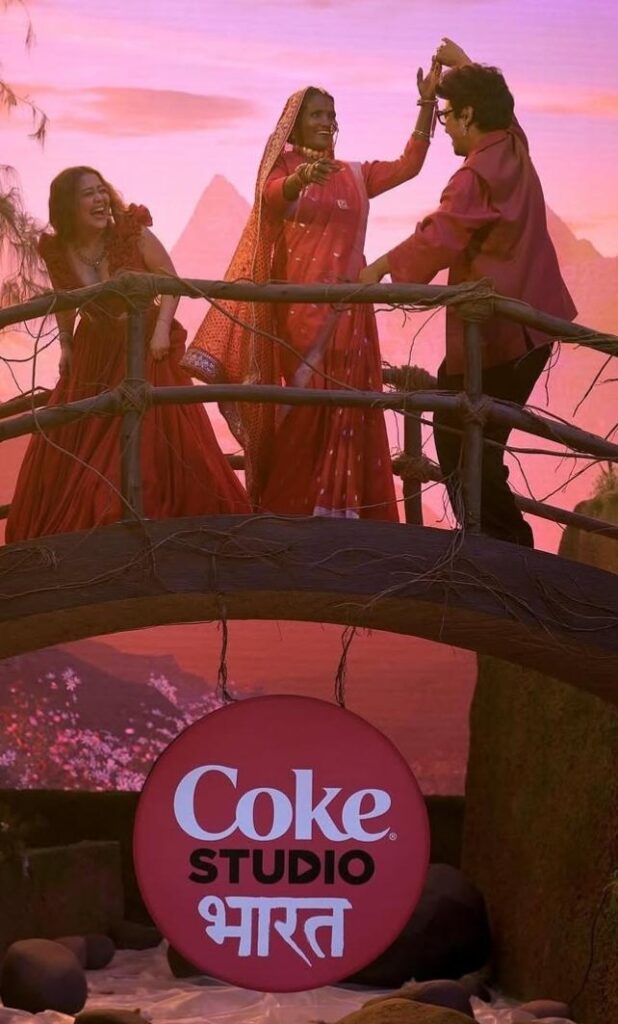
Kamla Devi was born in 1974 in Lakhani village of Bageshwar, Uttarakhand, into a humble farmer’s family. Her childhood was spent helping with agricultural work, and she got married at the age of 15. Alongside working in the fields, she continued practicing her singing. Kamla Devi inherited her musical talent from her father, Veera Ram, who himself was a traditional Jagar folk singer. Her life was full of struggles. Due to financial difficulties, she worked at a roadside dhaba in her early years while also supporting her family. Her husband earned a living through daily wage labor. Her journey toward success began when renowned Uttarakhand folk artist Shiro Mani Pant heard her voice and gave her the opportunity to perform on stage for the first time. Through her traditional folk singing, she gained recognition at the national level. She became the first folk singer from Uttarakhand to be invited to “Coke Studio Bharat.” She sang the Kumaoni folk song “Sonchadi” alongside Neha Kakkar and Digvijay Singh, which was released in 2024. The song received more than 1.5 million views on YouTube, earning her nationwide recognition. She is regarded as one of the leading voices promoting the folk music and cultural heritage of Uttarakhand. Apart from “Sonchadi,” she won people’s hearts with several popular songs such as “Teele Dharo,” “Chanara Bouji,” “Rajula Malushahi,” “Ghasiyari,” and the cultural folk song “Lagni Gham.” She has also been appreciated on various cultural platforms for her contribution to folk music. Kamla Devi has been honored with the “Nanda Shakti Samman 2024” and the “Himalaya Shri Award 2026.” She has been singing traditional folk songs of Uttarakhand for nearly 40 years. According to her, this art is not merely a form of singing but also a way to preserve and keep alive the cultural heritage of Uttarakhand.

From Fields to Fame, Kamla Devi Becomes the Voice of Uttarakhand Folk Music Read More »

Dhurandar Fame Rakesh Bedi Gains Massive Attention, Makes Multiple Visits to Dehradun

Dhurandar Fame Rakesh Bedi Gains Massive Attention, Makes Multiple Visits to Dehradun

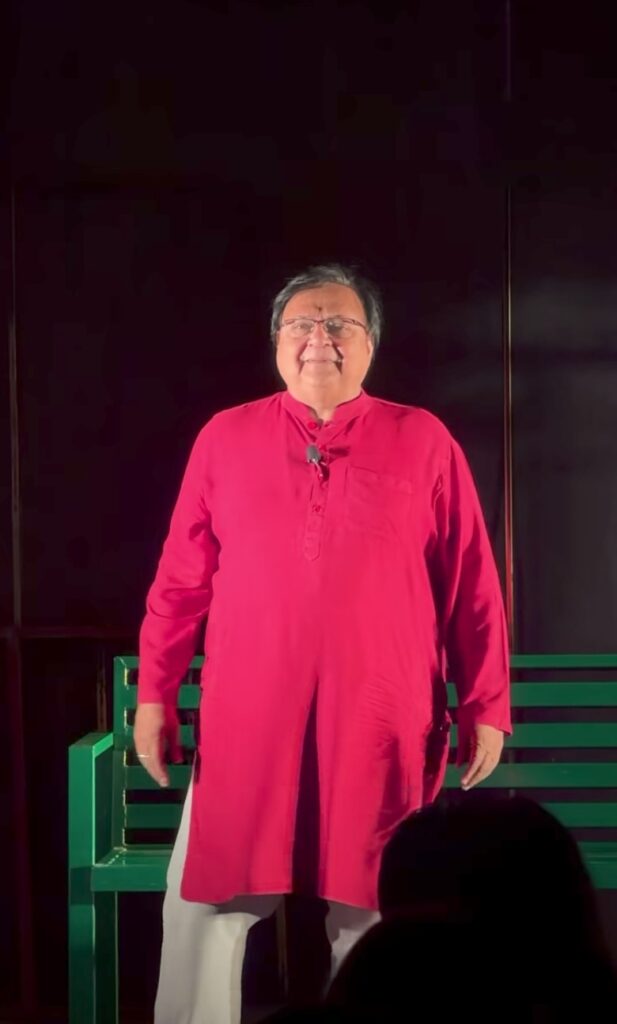
After winning audiences over with his impactful acting and memorable dialogues in Dhurandar, Rakesh Bedi is once again becoming a hot topic among fans and entertainment circles. The veteran actor has reportedly visited Dehradun several times recently, drawing growing attention from locals and social media users alike. Rakesh Bedi, known for his legendary comic timing and decades-long contribution to Indian television and cinema, has seen a fresh wave of popularity after his appearance in Dhurandar. Clips featuring his dialogues and expressions have been widely shared across reels and short-video platforms, introducing him to a younger digital audience. According to local discussions, the actor has been spotted in Dehradun multiple times over the past few months for events, meetings, and appearances. His repeated visits have sparked curiosity among fans, with many wondering if new creative collaborations or entertainment projects are connected to Uttarakhand. The buzz around his recent appearances has also highlighted the growing connection between regional entertainment spaces and mainstream digital culture. Fans online continue praising his natural acting style, calling his performance in Dhurandar one of the standout highlights of the project. As nostalgia-driven content and iconic dialogue culture trend heavily online, Rakesh Bedi’s renewed popularity proves that veteran performers can still dominate conversations in the digital era.

Dhurandar Fame Rakesh Bedi Gains Massive Attention, Makes Multiple Visits to Dehradun Read More »

Hillywood Industry Goes Global: Manju Nautiyal’s Collaboration with Badshah Creates Buzz

Hillywood Industry Goes Global: Manju Nautiyal’s Collaboration with Badshah Creates Buzz

The Hillywood Industry is witnessing a new wave of growth, innovation, and national recognition. What was once considered a regional entertainment industry is now rapidly evolving into a powerful cultural movement blending Pahadi roots with modern music trends. The latest example creating excitement among fans is the collaboration of Manju Nautiyal with popular Indian rapper and music icon Badshah in the song “Delhi Se Manali.” This collaboration is being seen as a major milestone for the Uttarakhand entertainment industry. Over the years, Hillywood has produced many talented singers, actors, and creators, but now artists from the hills are beginning to share space with mainstream Bollywood and independent music stars. Manju Nautiyal’s appearance alongside Badshah has sparked conversations across social media, with many calling it a proud moment for Uttarakhand. The song “Delhi Se Manali” blends modern beats with energetic mountain vibes, reflecting how regional talent can seamlessly connect with national audiences. Fans believe this collaboration proves that Pahadi music and culture now have a much larger platform than ever before. Young creators from Uttarakhand are increasingly experimenting with high-quality production, cinematic storytelling, and fusion music styles that appeal to both local and global audiences. Industry experts say the Hillywood industry is no longer limited to traditional folk music. With the rise of digital platforms like YouTube and Instagram, artists from Uttarakhand are gaining millions of views and building strong fan communities across India. Collaborations with mainstream artists are helping regional creators break language barriers and reach wider audiences. From viral Pahadi songs to cinematic music videos and influencer-driven promotions, Hillywood is becoming more advanced in terms of production quality, branding, and storytelling. Artists like Manju Nautiyal are showing that talent from the mountains can stand proudly on national stages while still keeping the essence of Uttarakhandi culture alive. As more collaborations like this emerge, the future of the Hillywood industry looks brighter than ever. Fans now eagerly wait to see which Uttarakhand artist will be the next to represent the hills on a national platform.

Hillywood Industry Goes Global: Manju Nautiyal’s Collaboration with Badshah Creates Buzz Read More »

Priyanka Meher is Blasting the Pahadi Trend

Priyanka Meher is Blasting the Pahadi Trend

In today’s era of reels, trends, and viral sounds, one name that is rapidly dominating the Pahadi music space is Priyanka Meher. From college fests to Instagram reels, her voice is not just trending—it’s becoming a cultural movement. The Rise of a Pahadi Voice Priyanka Meher is not just another singer—she represents the modern face of Uttarakhand’s folk culture. Known for her energetic Garhwali songs and powerful stage presence, she has become a youth icon, especially in hill regions. Her songs beautifully blend traditional Pahadi roots with modern beats, making them relatable for Gen Z and millennials. Whether it’s local dialect lyrics or high-energy performances, she brings authenticity that audiences instantly connect with. Recent performances, especially at youth festivals like SGRR University’s Zenith Fest, saw massive crowd engagement, proving her growing influence among young audiences. Why She’s Blasting the “Pahadi Trend” The term “Pahadi trend” is now widely used on social media—and Priyanka Meher is at the center of it. Here’s why: Reel-Friendly MusicHer songs are short, catchy, and perfect for Instagram reels. Tracks like Roop ku mantar and other Garhwali hits are now trending audio clips. Cultural Revival with Modern Touch She doesn’t just sing—she revives Pahadi identity. From attire to lyrics, everything reflects Uttarakhand’s culture while still appealing to urban youth. Strong Youth ConnectCollege events and live shows are packed with energetic crowds. Her performances create a festival-like vibe, making her a favorite among students. Digital PopularityWith lakhs of followers and viral content, her reach goes beyond Uttarakhand—she’s making Pahadi music mainstream across India. More Than Just Music Priyanka Meher’s rise is not just about songs—it’s about identity, pride, and representation. In a time where regional cultures often get overshadowed, she’s putting Pahadi music on the national map. Her success also highlights a bigger shift:Regional artists are no longer “local”—they are becoming national influencers through digital platforms. Challenges & Audience Expectations Interestingly, her popularity also comes with pressure. Some audiences expect pure Garhwali performances, and when shows include more Hindi tracks, reactions can be mixed. This shows one thing clearly— People don’t just like her music, they emotionally connect with the culture she represents. The Future of the Pahadi Trend With creators, influencers, and musicians joining this wave, the “Pahadi trend” is no longer a niche—it’s becoming a full-fledged digital movement. And at the forefront of this revolution stands Priyanka Meher.

Priyanka Meher is Blasting the Pahadi Trend Read More »