Music

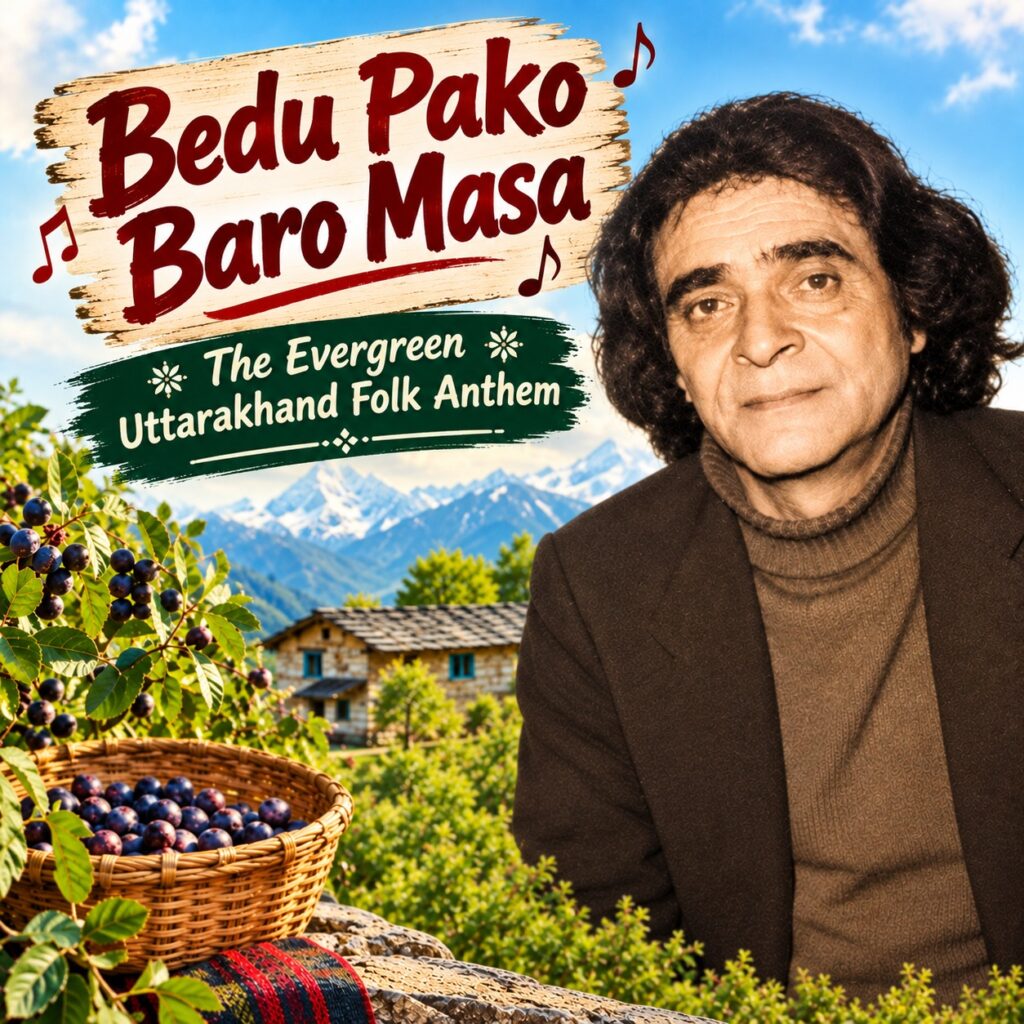
“Bedu Pako Baro Masa”: The Evergreen Uttarakhand Folk Anthem

“Bedu Pako Baro Masa”: The Evergreen Uttarakhand Folk Anthem That Made Mohan Upreti Pandit Nehru’s ‘Bedu Pako Boy’

Everyone has heard the song “Bedu Pako Baro Masa.” If you know about Uttarakhand and its culture, you’ve certainly heard this song as well. “Bedu Pako Baro Masa” isn’t just a folk song from the land of gods, but it embodies the soul, culture, and identity of the mountains. Originating from the valleys of Kumaon and Garhwal, this song has gained worldwide recognition. Yet, even today, many people still have a deep appreciation for this song. The credit for bringing this evergreen song to international recognition goes to the legendary theatre personality and musician Mohan Upreti. Mohan Upreti first sang it on stage at the Government Inter College (GIC) in Nainital in 1952. Given the song’s immense popularity, Mohan Upreti and Naima Khan Upreti recorded it for the renowned music label His Master’s Voice (HMV). Brijendra Lal Shah wrote the lyrics, while Mohan Upreti and Brijmohan Shah composed the music. Mohan Upreti, a renowned figure in Uttarakhand, is remembered for his efforts to revive Uttarakhandi folk music and preserve old Uttarakhandi ballads, songs, and folk traditions. Mohan Upreti is best known for his song “Bedu Pako Baro Masa.” Mohan Upreti, 1928, Almora. This song reflects the direct connection between Uttarakhand’s mountain life, its nature, and its people. The weather and beauty of the mountains are depicted through “bedu” (a type of wild fig) and “kafal” (a sweet and sour mountain fruit). A very interesting historical anecdote related to this song involves India’s first Prime Minister, Pandit Jawaharlal Nehru. In 1955, Mohan Upreti’s troupe sang this song in front of Nehru during an event organized to welcome Soviet leaders (Khrushchev and Bulganin) at Teen Murti Bhavan in Delhi. Jawaharlal Nehru was so impressed by the melody and energy that he couldn’t help but join in the dance. Nehru subsequently declared the song his favorite folk song. Impressed by the song, Prime Minister Pandit Jawaharlal Nehru nicknamed Mohan Upreti “Bedu Pako Boy.”
“Bedu Pako Baro Masa”: The Evergreen Uttarakhand Folk Anthem That Made Mohan Upreti Pandit Nehru’s ‘Bedu Pako Boy’ Read More »

Pappu Daa - The Cultural icon

Pappu Daa – The Cultural icon

Pappu Karki, a very popular Kumaoni folk singer from Uttarakhand, is known as Pappu Da. He is remembered for popularizing Uttarakhand’s traditional music among the new generation and as a cultural icon. Pappu Karki was born on June 30, 1984, in Sailab village, Pithoragarh district, Uttarakhand. Despite facing many struggles in his life, he never stopped practicing and participated in the Uttarakhand Idol competition held in Delhi, where he became the first runner-up, which inspired him. His career began in 1995 by singing on the local Ramlila stage, where senior singer Krishna Singh Karki recognized his talent. His first audio cassette, “Fauji Ki Naukri,” was released in 1998. He gained recognition with his 2004 album, Megha, and in 2010, his superhit song, “Jham Lagchi,” was released, which was widely praised. He has given Uttarakhand many famous songs, some of which include “Yeh Hai Chachari”, “Sali Marchali”, “DDhat Ki Chhamna Chhori”, and the hit “Madhu Uttarayan Kauthig”. To promote regional artists, he opened a recording studio in Haldwani called “PK International”, which aims to provide free recording and training facilities to underprivileged children from rural areas. He also brought national recognition to Kumaoni culture and performed on Doordarshan and in cultural programs held in major Indian cities. Pappu Karki passed away in a road accident on June 9, 2018, at the age of 34. He was returning home after performing at a youth festival in Okhal Kanda when his car lost control and fell into a ditch near Murkhudiya village, where he was declared dead. He is survived by his wife and a son, who carries forward his father’s musical legacy and also sings as a child artist. He has been honored with several prestigious awards both during his lifetime and posthumously. Major Awards

Pappu Daa – The Cultural icon Read More »

Hema Karashi : A Voice of Change and Inspiration

Hema Karashi : A Voice of Change and Inspiration

Hema Karasi is a popular and well-known folk singer from Uttarakhand, primarily singing traditional songs, jagars, and bhajans in the Garhwali and Kumaoni languages. She is known for preserving Uttarakhand’s cultural heritage through her voice. Born on April 5, 1984, in Tukhinda village, near August Muni in Rudraprayag district, Uttarakhand, she received her early education in the village. She reportedly had a passion for jagars, mangals, and environmental songs since childhood. She also participated in cultural programs at school. Her interest in music grew, and in 2003, she performed on a public stage for the first time at the annual festival of GIC Kandi, singing “Dharti Hamra Garhwal Ki.” She was applauded not only by the audience but also by prominent guests from All India Radio and Doordarshan. In 2005, Hema Karasi released a Garhwali song album, “Kya Bun Tab.” The songs on the album received widespread acclaim. After gaining fame with her first song, she was also given the opportunity to sing in the album “Katha Kartik Swami” with Garh Ratna folk singer Narendra Singh Negi. This song brought her immense success, and she consistently produced superhit videos and songs, including “Maa Mathiya Mai” (2011-12), “Gir Genduwa” (2013), Achhari Jagar (2014), Dhol Baje (2015), Meri Bamni (2016), Uttarakhandi Mangal Geet (2017), and Meri Parani (2018). She also performs at various fairs, cultural events, and live concerts in Uttarakhand. She has created a distinct identity for herself by breaking the stereotypes surrounding Jagar. While Jagar singing was typically male-dominated, Hema Karasi has carved a niche for herself and mastered the genre. She also started her own music and film production house, “HNK Films Music Production House,” through which she independently produces high-quality traditional music videos. She also promotes Garhwali and Kumaoni folk culture to the youth, both nationally and internationally, through her YouTube channel, which has over 5.5 lakh subscribers. She also helps young people advance their careers by giving them opportunities in her projects. Major Awards and Honors2015 Gopal Babu Goswami Youth Icon National Award 2015 Uttarakhand Organisation Association of New Zealand Award2016 Badri Kedar Vikas Samiti Award2017 Uttarakhand Uday Samman 2016-2017 Youth Icon National Award2018 Uttarakhand Press Club Award Teelu Rauteli Award given by the government to women for their courage and outstanding work. 2015-16 Uttarakhand Ratna Award for Best Folk Singer Awarded the Best Folk Singer Award by Chief Minister Harish Rawat.

Hema Karashi : A Voice of Change and Inspiration Read More »

From Young Dreams To Village Roots : Rohit Chauhan

From Young Dreams To Village Roots : Rohit Chauhan

Famous Uttarakhand singer Rohit Chauhan is a well-known face among Garhwali singers. He has been spreading the magic of his voice since a young age. His songs appeal to people of all ages. He won hearts at a young age with his singing, and his first Garhwali album, released in 2005, was well-received. Rohit Chauhan was born on April 10, 1995, in Noida. His father, Rajendra Chauhan, is a music director, while his mother, Kalpana Chauhan, is one of Uttarakhand’s most renowned singers. Despite being born in Noida, Rohit Chauhan has given recognition to Uttarakhand and its music. Pahad Chhutige , sung by Rohit Chauhan, is a song that tells the story of a child who leaves his village to pursue his dreams and then misses it. Among Rohit Chauhan’s most famous songs as a child artist, Gori Mukhudi Sajili is the most popular. Rohit Chauhan is also known as the one who set a new trend in Garhwali songs in Uttarakhand. As a child, he performed in many stage shows with his mother. During one of his recent shows, he performed and sang a duet with the world-famous Urvashi Rautela. He presents traditional Pahari music with a modern twist that is being enjoyed by people of all ages.

From Young Dreams To Village Roots : Rohit Chauhan Read More »

From Delhi to Global Stage, The Inspiring Journey of Uttarakhand’s Singing Sensation Meena Rana

From Delhi to Global Stage, The Inspiring Journey of Uttarakhand’s Singing Sensation Meena Rana

Meena Rana, popularly known as the “Lata Mangeshkar of Uttarakhand” and the “Kokila of Uttarakhand,” is a renowned folk singer who has lent her voice to Garhwali, Jaunsari, and several other regional languages. She was born on May 25, 1975, in Delhi, into a Garhwali family. She completed her high school education in Delhi and later moved to Dehradun for further studies, where she finished her education at Girls’ Inter College, Mussoorie. As known for her melodious voice, Meena Rana began performing at the Akashvani Club in Mussoorie at the age of 16. Her husband, Sanjay Kumola, is the owner of Surbhi Multi Track Sound Studio. Meena Rana got her first break in the Garhwali music industry in 1992 through the Garhwali film Nauni Pichadi Nauni, alongside folk singers Mani Bharti and Pooran Singh Rawat. In the film, she sang popular songs such as Biwanu Sheru Ma, Baith Dola Ladi, and Jado Ni Chhav Mi. Over the years, she has sung in several popular Uttarakhand albums, including Chand Taro Ma, Meri Khati Meethi, Darbar Nirala Sai Ka, Uttarakhand Garhwali Teri Meri Maya, Meru Uttarakhand, Mohana, Chandra, and Lalita Chi Hum. She has also collaborated with renowned Uttarakhand singers such as Narendra Singh Negi, Pritam Bharatwan, Lalit Mohan Joshi, Anil Bisht, Gajendra Rana, and Manglesh Dangwal. Apart from Garhwali and Kumaoni, Meena Rana has recorded more than 500 songs in languages including Jaunsari, Jaunpur, Bhojpuri, Rajasthani, Kargali, Balti, and Hindi. Through her live shows and musical performances, she has played a significant role in promoting Uttarakhand’s folk music on both national and international platforms. She has also performed in countries such as Oman, Australia, and the United Arab Emirates. Major Awards and Achievements

From Delhi to Global Stage, The Inspiring Journey of Uttarakhand’s Singing Sensation Meena Rana Read More »

Hillywood Industry Goes Global: Manju Nautiyal’s Collaboration with Badshah Creates Buzz

Hillywood Industry Goes Global: Manju Nautiyal’s Collaboration with Badshah Creates Buzz

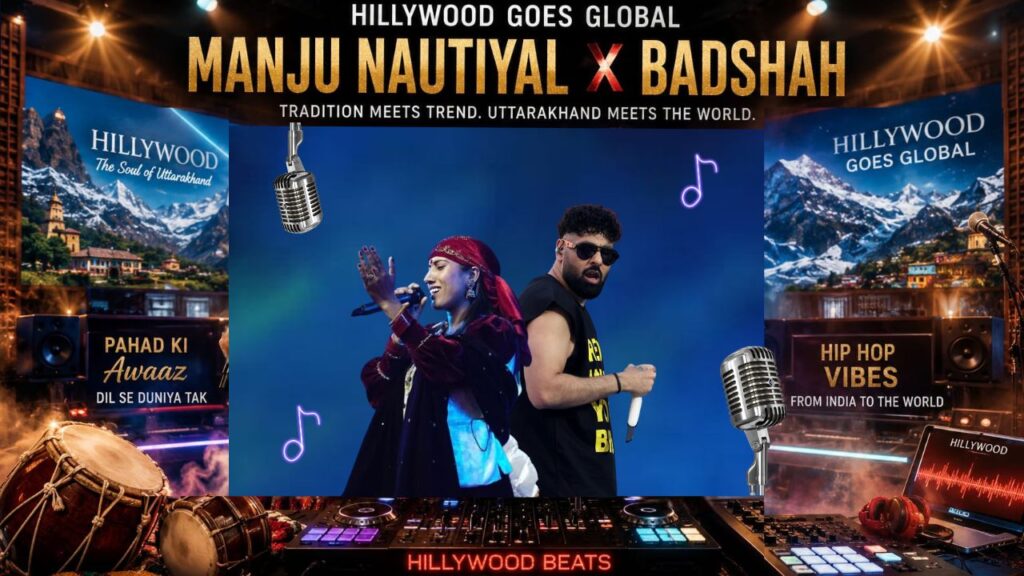
The Hillywood Industry is witnessing a new wave of growth, innovation, and national recognition. What was once considered a regional entertainment industry is now rapidly evolving into a powerful cultural movement blending Pahadi roots with modern music trends. The latest example creating excitement among fans is the collaboration of Manju Nautiyal with popular Indian rapper and music icon Badshah in the song “Delhi Se Manali.” This collaboration is being seen as a major milestone for the Uttarakhand entertainment industry. Over the years, Hillywood has produced many talented singers, actors, and creators, but now artists from the hills are beginning to share space with mainstream Bollywood and independent music stars. Manju Nautiyal’s appearance alongside Badshah has sparked conversations across social media, with many calling it a proud moment for Uttarakhand. The song “Delhi Se Manali” blends modern beats with energetic mountain vibes, reflecting how regional talent can seamlessly connect with national audiences. Fans believe this collaboration proves that Pahadi music and culture now have a much larger platform than ever before. Young creators from Uttarakhand are increasingly experimenting with high-quality production, cinematic storytelling, and fusion music styles that appeal to both local and global audiences. Industry experts say the Hillywood industry is no longer limited to traditional folk music. With the rise of digital platforms like YouTube and Instagram, artists from Uttarakhand are gaining millions of views and building strong fan communities across India. Collaborations with mainstream artists are helping regional creators break language barriers and reach wider audiences. From viral Pahadi songs to cinematic music videos and influencer-driven promotions, Hillywood is becoming more advanced in terms of production quality, branding, and storytelling. Artists like Manju Nautiyal are showing that talent from the mountains can stand proudly on national stages while still keeping the essence of Uttarakhandi culture alive. As more collaborations like this emerge, the future of the Hillywood industry looks brighter than ever. Fans now eagerly wait to see which Uttarakhand artist will be the next to represent the hills on a national platform.

Hillywood Industry Goes Global: Manju Nautiyal’s Collaboration with Badshah Creates Buzz Read More »

Priyanka Meher is Blasting the Pahadi Trend

Priyanka Meher is Blasting the Pahadi Trend

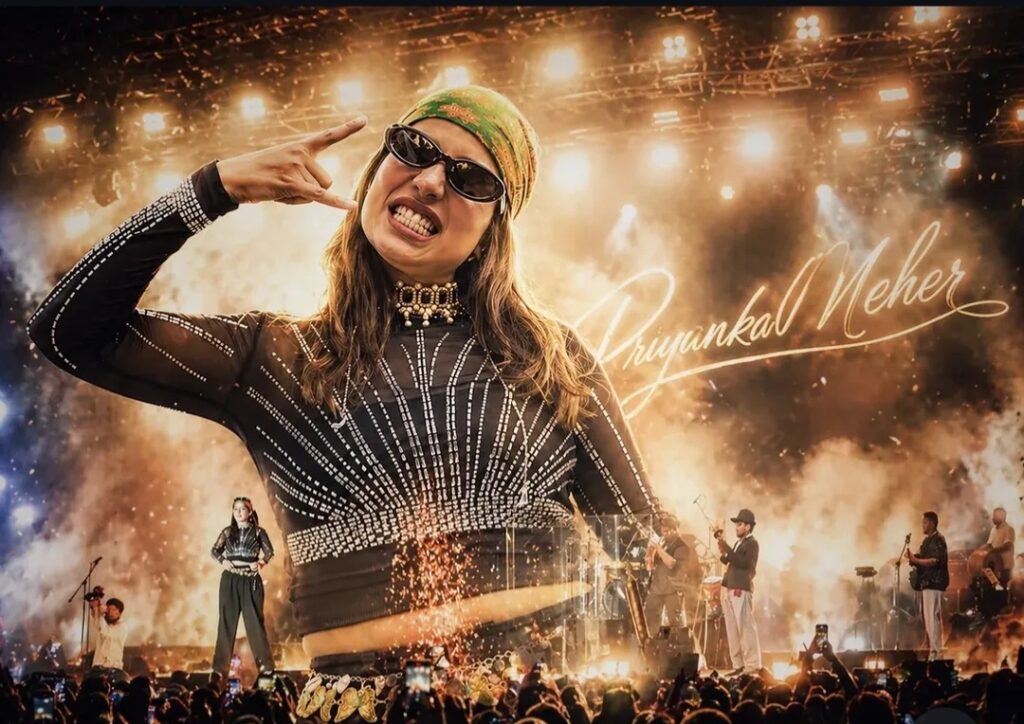
In today’s era of reels, trends, and viral sounds, one name that is rapidly dominating the Pahadi music space is Priyanka Meher. From college fests to Instagram reels, her voice is not just trending—it’s becoming a cultural movement. The Rise of a Pahadi Voice Priyanka Meher is not just another singer—she represents the modern face of Uttarakhand’s folk culture. Known for her energetic Garhwali songs and powerful stage presence, she has become a youth icon, especially in hill regions. Her songs beautifully blend traditional Pahadi roots with modern beats, making them relatable for Gen Z and millennials. Whether it’s local dialect lyrics or high-energy performances, she brings authenticity that audiences instantly connect with. Recent performances, especially at youth festivals like SGRR University’s Zenith Fest, saw massive crowd engagement, proving her growing influence among young audiences. Why She’s Blasting the “Pahadi Trend” The term “Pahadi trend” is now widely used on social media—and Priyanka Meher is at the center of it. Here’s why: Reel-Friendly MusicHer songs are short, catchy, and perfect for Instagram reels. Tracks like Roop ku mantar and other Garhwali hits are now trending audio clips. Cultural Revival with Modern Touch She doesn’t just sing—she revives Pahadi identity. From attire to lyrics, everything reflects Uttarakhand’s culture while still appealing to urban youth. Strong Youth ConnectCollege events and live shows are packed with energetic crowds. Her performances create a festival-like vibe, making her a favorite among students. Digital PopularityWith lakhs of followers and viral content, her reach goes beyond Uttarakhand—she’s making Pahadi music mainstream across India. More Than Just Music Priyanka Meher’s rise is not just about songs—it’s about identity, pride, and representation. In a time where regional cultures often get overshadowed, she’s putting Pahadi music on the national map. Her success also highlights a bigger shift:Regional artists are no longer “local”—they are becoming national influencers through digital platforms. Challenges & Audience Expectations Interestingly, her popularity also comes with pressure. Some audiences expect pure Garhwali performances, and when shows include more Hindi tracks, reactions can be mixed. This shows one thing clearly— People don’t just like her music, they emotionally connect with the culture she represents. The Future of the Pahadi Trend With creators, influencers, and musicians joining this wave, the “Pahadi trend” is no longer a niche—it’s becoming a full-fledged digital movement. And at the forefront of this revolution stands Priyanka Meher.

Priyanka Meher is Blasting the Pahadi Trend Read More »

Bollywood Singers Take Over University Fests in Dehradun: A Rising Trend in Campus Culture

Bollywood Singers Take Over University Fests in Dehradun: A Rising Trend in Campus Culture

In recent years, university fests in Dehradun have transformed into grand cultural spectacles, drawing massive crowds and creating unforgettable experiences for students. One of the most exciting developments is the growing trend of inviting popular Bollywood and independent music artists to perform live on campus. From electrifying performances to social media buzz, these events are redefining student life in the city. The New Face of University Fests Colleges across Dehradun are stepping up their game, competing with each other to host the biggest and most talked-about fests. A key strategy? Bringing in star performers who resonate with Gen Z audiences. Artists like Talwinder, Vishal Sharma, Jasmin Sandlas, and Armaan Malik are increasingly becoming regular headliners at these campus events.Their presence not only boosts attendance but also enhances the prestige of the hosting institution. Why Bollywood Singers Are a Big Draw Bollywood singers bring a unique mix of familiarity and excitement. Students already connect with their songs through movies, streaming platforms, and social media. Seeing them perform live adds a whole new dimension to that connection.Moreover, artists like Armaan Malik and Jasmin Sandlas have strong youth appeal, blending Bollywood hits with independent music styles. This versatility makes them perfect for college audiences.Universities Competing for the Spotlight Institutions in Dehradun are now investing heavily in their annual fests. From stage production to artist lineups, everything is becoming more professional and grand. This healthy competition is pushing universities to innovate and offer better experiences each year. The rise of Bollywood singers at university fests in Dehradun reflects a broader shift in how colleges approach student engagement. It’s no longer just about academics—it’s about creating a holistic, memorable experience. As competition intensifies, students can expect even bigger names and better shows in the coming years.If this trend continues, Dehradun might soon emerge as a major hub for college cultural festivals in India.

Bollywood Singers Take Over University Fests in Dehradun: A Rising Trend in Campus Culture Read More »

Romeo Lane: The Heart of Dehradun’s Growing Club Culture

Dehradun, once known for its serene landscapes and old-world charm, is now witnessing a rapid transformation in its nightlife scene. The city’s club culture is expanding at an impressive pace, and at the forefront of this revolution is Romeo Lane—the go-to destination for the city’s youth. A New Favorite Among Partygoers The club’s aesthetic interiors, pulsating music, and top-tier hospitality have made it a hotspot for weekend parties, live performances, and social gatherings. Unlike traditional eateries or lounges, Romeo Lane captures the essence of an urban clubbing experience while maintaining the city’s signature warmth. Beyond the Beats: A Culinary Delight In recent years, Dehradun has evolved beyond its identity as a quiet hill town. With a growing population of young professionals and students, the demand for premium nightlife experiences has skyrocketed. Amidst this surge, Romeo Lane has emerged as the undisputed favorite, offering an unparalleled mix of ambience, cuisine, and entertainment. What sets Romeo Lane apart is not just its electrifying music and vibrant atmosphere but also its exceptional food and beverage offerings. The menu features a diverse range of Indian, continental, and fusion dishes, ensuring that visitors not only dance to great music but also indulge in a memorable dining experience. Whether it’s a classic cocktail, a gourmet appetizer, or a signature Romeo Lane dish, everything here is curated to perfection. Setting the Standard for Nightlife in Dehradun Romeo Lane is more than just a club; it represents the changing lifestyle preferences of Dehradun’s youth. With frequent DJ nights, live music gigs, and themed parties, it has redefined how the city experiences nightlife. The rise of such venues also reflects Dehradun’s growing acceptance of club culture, bringing it closer to the party scenes of metro cities like Delhi and Mumbai. The Future of Clubbing in Dehradun As more high-end clubs and lounges emerge, Dehradun’s nightlife is set to reach new heights. However, Romeo Lane continues to lead the race, setting benchmarks in ambience, entertainment, and hospitality. Whether you’re a local or a traveler looking for the perfect night out, Romeo Lane promises an experience that’s nothing short of extraordinary. So, if you haven’t visited yet, it’s time to step into the rhythm of Dehradun’s most happening club!

Romeo Lane: The Heart of Dehradun’s Growing Club Culture Read More »

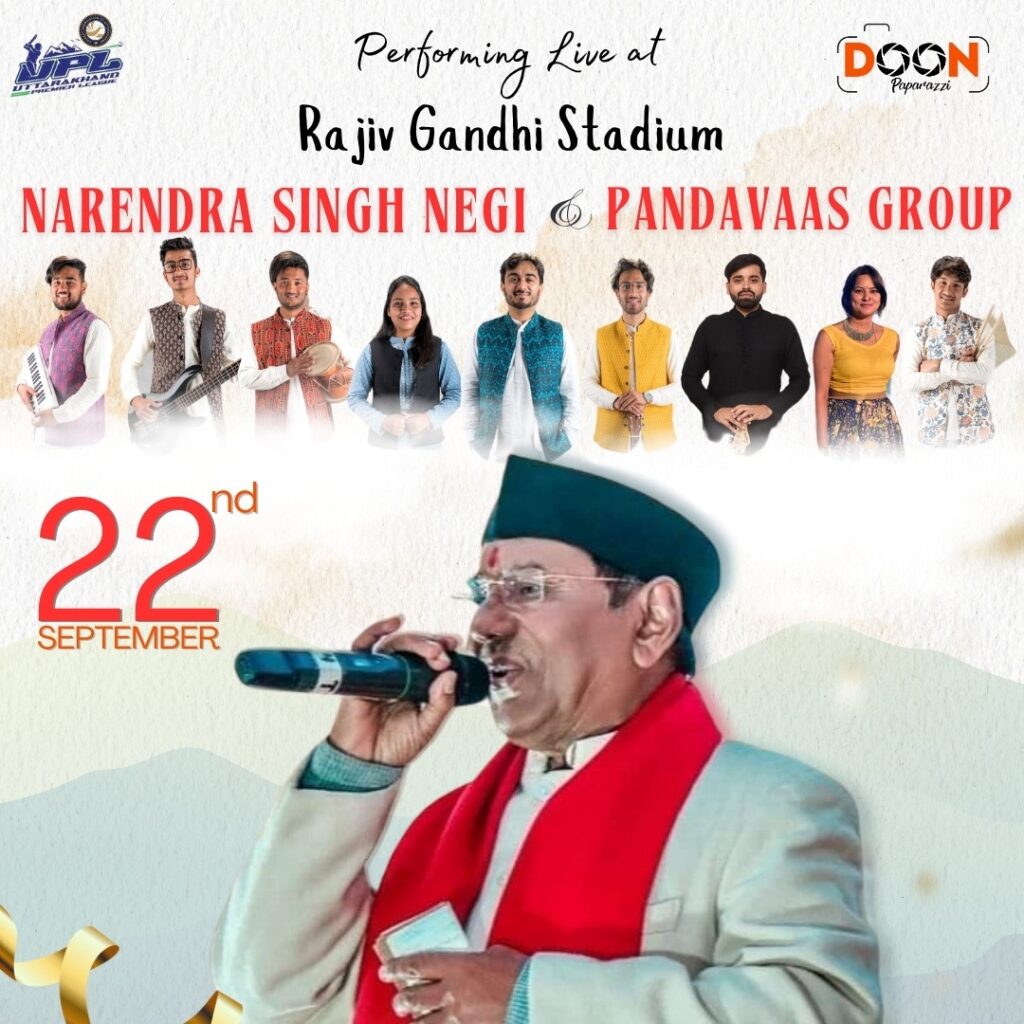
Negi Da and Pandavaas Mesmerize Audience at UPL Closing Ceremony; Stadium Erupts in Celebration

Negi Da, Pandavaas Mesmerize Audience at UPL Closing Ceremony; Stadium Erupts in Celebration The Uttarakhand Premier League concluded today at the Rajiv Gandhi Cricket Stadium in Dehradun. The closing ceremony featured electrifying performances by folk icon Narendra Singh Negi and the Pandavaj band, captivating the audience and prompting the entire stadium to dance and cheer. The crowd turnout was significantly higher than usual, as fans gathered to witness Negi Da and Pandavaas live. Before the league’s final match, a vibrant closing ceremony was organized, where folk singer Narendra Singh Negi delivered a powerful performance. The Pandavaas band also added their unique charm to the event. The entire stadium was immersed in the spirit of Uttarakhand’s culture. Negi Da’s performances of songs like “Ja Badri Kedarnath,” “Himwant Desh Hola Trijuginarayan,” and “Twi Chai Twi Chai Meri Saunjadya Laik” highlighted the region’s religious significance while energizing the youth in the crowd. Pandavaas band further enthralled the audience with numbers such as “Ne Meri Gajna,” “Hath Ma Ganjeli Radha,” and “Jagar,” keeping the crowd dancing for a long time. The large audience fully enjoyed the lively closing ceremony. The Uttarakhand Premier League, which began on September 15 at Rajiv Gandhi International Cricket Stadium, saw Bollywood stars at the opening ceremony, drawing criticism from locals. However, the closing ceremony featured local artists, a decision that resonated well with the crowd.

Negi Da and Pandavaas Mesmerize Audience at UPL Closing Ceremony; Stadium Erupts in Celebration Read More »