
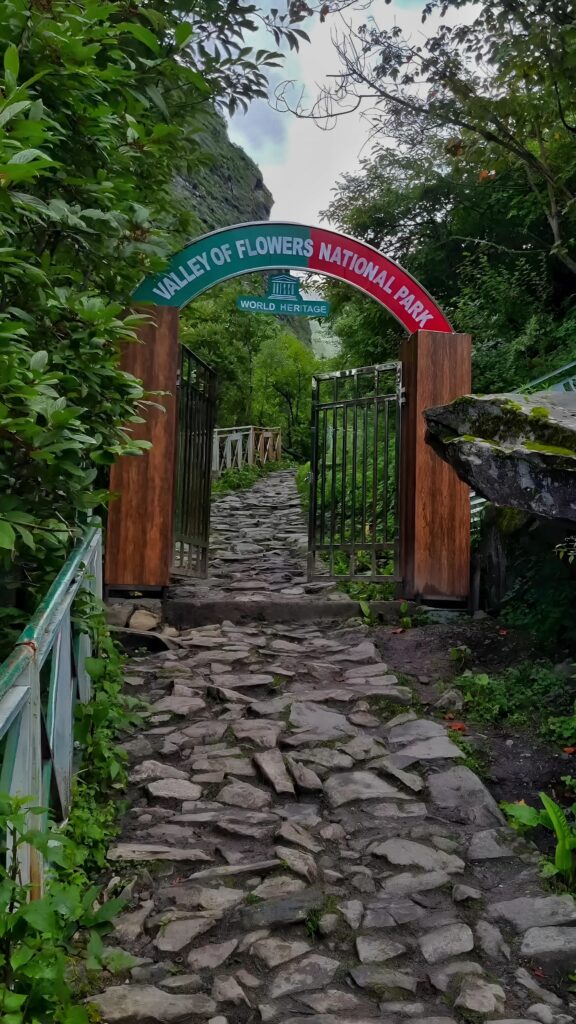
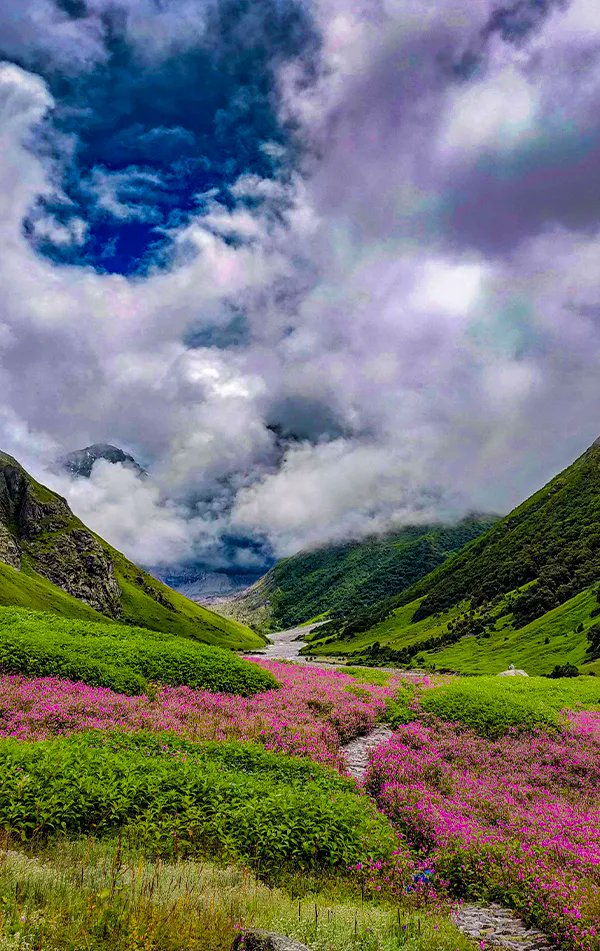
The Valley of Flowers opened its doors to tourists on June 1st. Located in the Chamoli district of the Indian state of Uttarakhand, the Valley of Flowers was designated a UNESCO World Heritage Site in 2005. Situated at an altitude of approximately 3,658 meters above sea level, this valley is renowned worldwide for its breathtaking alpine meadows and for being home to over 500 different species of flowers and flora. The Valley of Flowers remains open to tourists annually from June 1st to October 31st. The period between July and September is considered the ideal time to visit the valley, as August witnesses the blooming of the most spectacular and diverse array of flowers. Various floral species—such as Anemone, Geranium, Marsh Marigold, Aconite, Himalayan Blue Poppy, Lobelia, Saxifraga, Strawberry, Trollius, and Anaphalis can be found here.
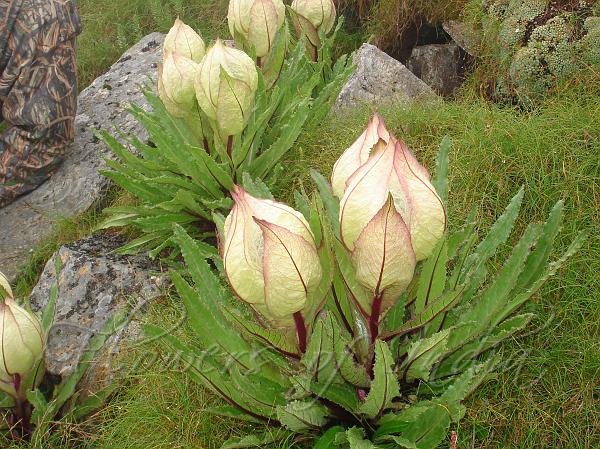
“The Brahm Kamal (Saussurea obvallata)—the state flower of Uttarakhand is one of the most celebrated flowers found within the Valley of Flowers. Additionally, the Pushpawati River flows through the heart of the valley, further enhancing its natural allure. It is believed that the valley was discovered in 1931 by the British mountaineer Frank S. Smythe and his companions; subsequently, in 1938, Smythe authored a book titled ”The Valley of Flowers” which gained worldwide acclaim. References to the Valley of Flowers can also be found in ancient mythology, where—in the epic Mahabharata—it is referred to as Nand Kanana (the Garden of the Gods). To enter the valley, obtaining a permit from the Forest Department is mandatory; these permits can be booked online via the Uttarakhand government’s website or obtained offline at designated check posts. Camping and overnight stays within the National Park are strictly prohibited. The Brahm Kamal (Saussurea obvallata)—the state flower of Uttarakhand is one of the most celebrated flowers found within the Valley of Flowers. Additionally, the Pushpawati River flows through the heart of the valley, further enhancing its natural allure.
It is believed that the valley was discovered in 1931 by the British mountaineer Frank S. Smythe and his companions; subsequently, in 1938, Smythe authored a book titled The Valley of Flowers, which gained worldwide acclaim. References to the Valley of Flowers can also be found in ancient mythology, where in the epic Mahabharata—it is referred to as Nand Kanana (the Garden of the Gods). To enter the valley, obtaining a permit from the Forest Department is mandatory; these permits can be booked online via the Uttarakhand government’s website or obtained offline at designated check posts. Camping and overnight stays within the National Park are strictly prohibited.