
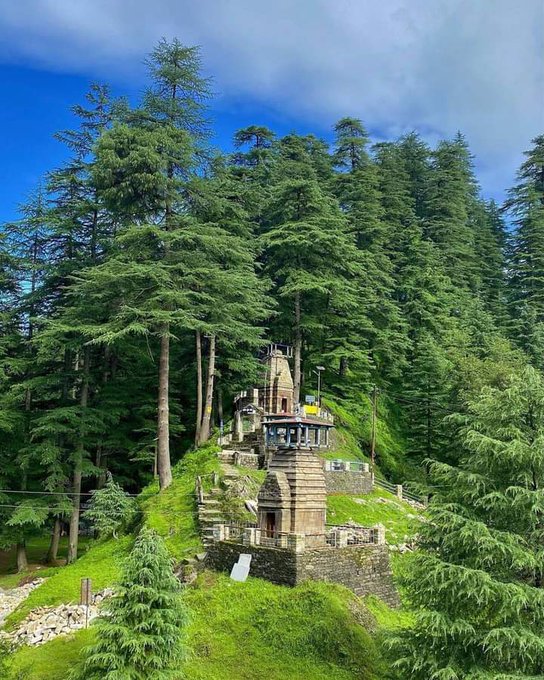
Situated at an altitude of approximately 1,870 meters above sea level in the Almora district of Uttarakhand, Jageshwar Dham is one of India’s most ancient and spiritual pilgrimage sites dedicated to Lord Shiva. Surrounded by towering Deodar trees, this sacred land lies on the tranquil banks of the Jata Ganga River; upon arrival, one immediately experiences a magnificent confluence of nature, history, and spirituality.
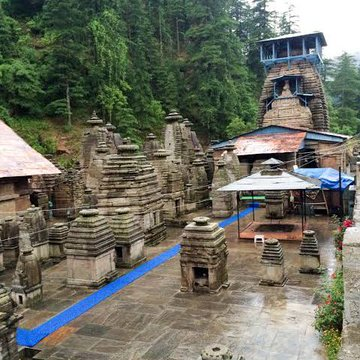
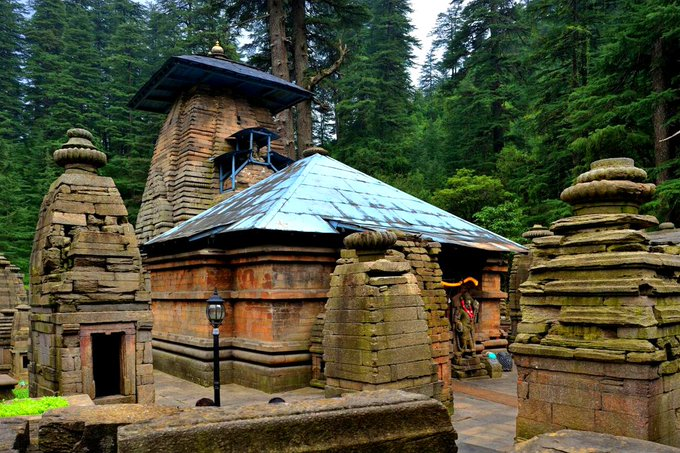
Jageshwar Dham is not merely a single temple but a vast complex comprising over 125 ancient temples. Constructed primarily of stone, these temples feature the Nagara style of architecture, which remains an exquisite example of medieval Indian craftsmanship. The sound of temple bells ringing from all directions and the cool breeze blowing through the Deodar trees create an atmosphere of profound peace and divinity.
Mythological Significance
Jageshwar Dham holds a special place in Hindu scriptures. It is mentioned in the Shiva Purana as “Nagesham Darukavane,” a reference that many devotees associate with the eighth Jyotirlinga of Lord Shiva. Religious belief holds that this is the very place where Lord Shiva first accepted worship in the form of a Shivling. Consequently, this shrine has remained a center of unwavering faith for Shiva devotees for centuries.
An Invaluable Historical Heritage
Most of the temples at Jageshwar were constructed between the 7th and 18th centuries during the reigns of the Katyuri and Chand dynasties. Notable among them are the Shri Jageshwar Mahadev Temple, Mahamrityunjaya Temple, Kuber Temple, Dandeshwar Temple, and Pushti Devi Temple.
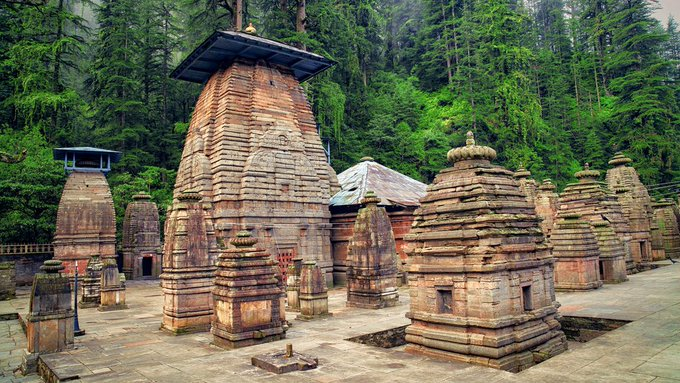
The Mahamrityunjaya Temple is renowned for its unique architectural style and its massive Shivling. It is believed that worshipping Lord Shiva here grants protection against disease, fear, and untimely death.
The Visit of Adi Shankaracharya
It is believed that the great philosopher and saint Adi Shankaracharya visited Jageshwar Dham during his pilgrimage to Kedarnath. He oversaw the renovation of several ancient temples here and played a pivotal role in reviving the pilgrimage site’s religious traditions. Thanks to his efforts, Jageshwar Dham regained its status as a prominent pilgrimage site dedicated to Lord Shiva.
Natural Beauty and Spiritual Serenity
The defining feature of Jageshwar Dham is its natural setting. The surrounding dense deodar forests, the cool mountain breeze, and the soothing murmur of the Jata Ganga River instill a deep sense of peace. This is why pilgrims visit not only for worship but also to find mental tranquility and a profound spiritual experience.
Travel Information
Jageshwar Dham is located approximately 35 kilometers northeast of Almora town. It is easily accessible by road; the nearest major railway station is Kathgodam, and the nearest airport is Pantnagar.
The best time to visit is between April and June and from September to November, when the weather is pleasant and favorable for travel. However, the religious atmosphere is at its most vibrant during the month of Shravan.
Major Festivals
Jageshwar Dham draws thousands of devotees during the Shravani Mela (monsoon festival) in the month of Shravan (July–August) and on the occasion of Mahashivratri. Special prayers, Rudrabhishek rituals, devotional singing (bhajan-kirtan), and other religious ceremonies are organized during these times, immersing the entire temple complex in an atmosphere of deep devotion to Lord Shiva.
Why Visit Jageshwar Dham?
If you wish to experience ancient history, magnificent temple architecture, natural beauty, and spiritual peace all in one place, Jageshwar Dham is an ideal pilgrimage destination. Its divine aura, serene environment, and centuries-old religious heritage leave an indelible impression on every traveler’s mind.