Hillywood

The highest peak of faith - Tungnath (Shiva's Temple)

The highest peak of faith – Tungnath (Shiva’s Temple)

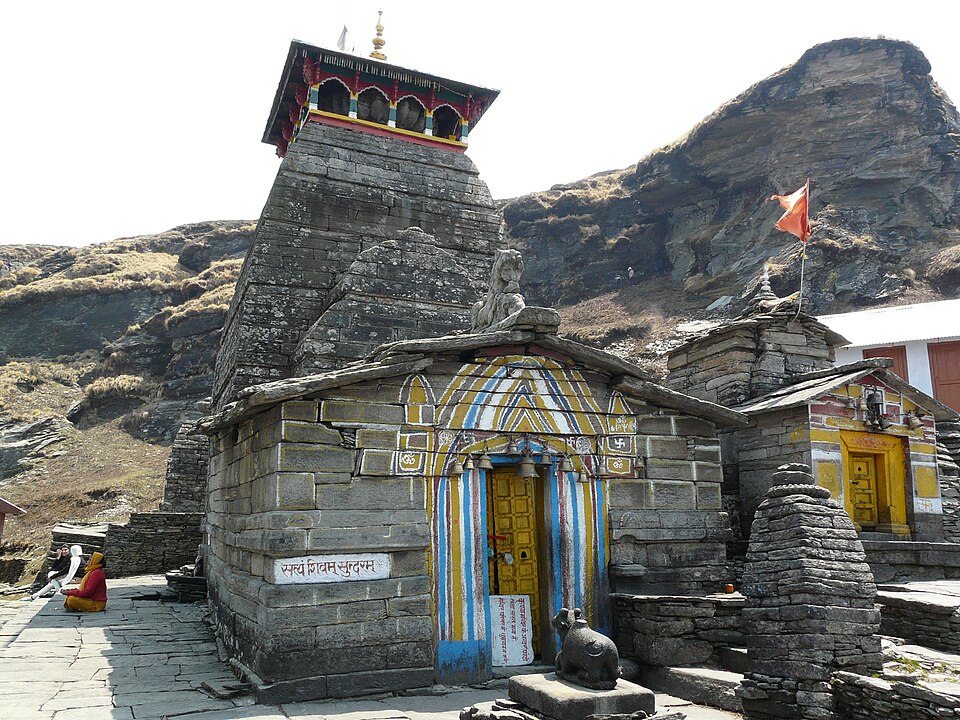
In Rudraprayag district of Uttarakhand, at an altitude of 12,000 to 14,000 feet above sea level, the Tungnath Temple is Located in a remarkable amalgamation of faith, nature, and adventure. It is the highest temple dedicated to Lord Shiva in India, where the arms of Lord Shiva are worshipped. The temple is open for darshan from May to October and closed from November to April. Tungnath means “Lord of the Peaks” that form the Mandakini and Alaknanda river valleys. It is also revered as the third of the five Kedars, located 3 kilometers from Chopta. It is believed that Goddess Parvati performed penance here before her marriage to appease Lord Shiva. The history of the Tungnath Temple also dates back to the Mahabharata period. According to legend, after the Kurukshetra War, the Pandavas, seeking absolution for the sin of killing their brothers, came to the Himalayas in search of Lord Shiva. Lord Shiva, seeking refuge from them, assumed the form of a bull and disappeared into the earth. It is said that the Pandavas built a magnificent stone temple known as Tungnath at the spot where Lord Shiva’s arms appeared, and this is where Guru Adi Shankaracharya also worshipped. The journey to Tungnath Temple begins from Chopta. Due to its unparalleled beauty, Chopta is also known as the Mini Switzerland of Uttarakhand. The distance from Chopta to the temple is approximately 3 kilometers. On the way to the temple, one can see velvety meadows, Bugyals, forests of rhododendron flowers on both sides, as well as towering Himalayan peaks like Chaukhamba, Nanda Devi, and Trishul. There is also a musk deer breeding farm on the way to Chopta, where the beauty of the musk deer can be observed up close. Due to its historical significance, the Government of India has declared it a monument of national importance.

The highest peak of faith – Tungnath (Shiva’s Temple) Read More »
Kholi-The Art and Spirit of Pahad

Kholi-The Art and Spirit of Pahad

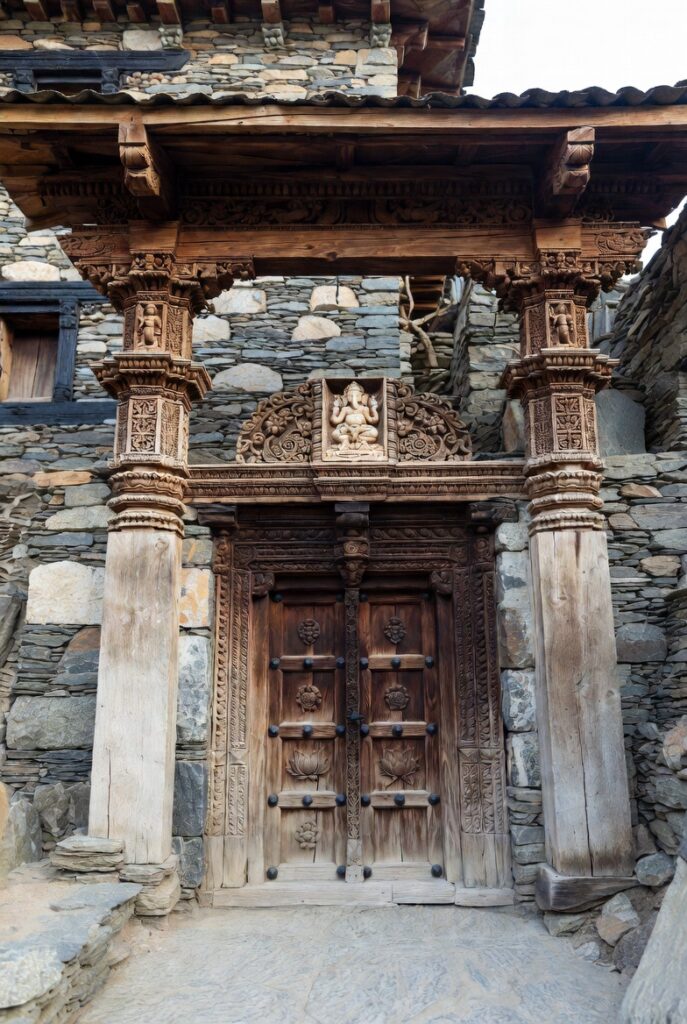
Uttarakhand is rich in beauty, culture, and folk art. Home decoration is where people’s art is first evident. You’ll find homes adorned with intricate wooden carvings. Doors and windows are crafted from wood, and the doorframes are adorned with exquisite carvings depicting gods and goddesses, elephants, lions, and peacocks. However, these carvings are not merely for aesthetic purposes, but for their intricately woven motifs. The first thing that strikes you upon entering a village in Uttarakhand is the main door frame, known locally as “Kholi.” It’s not just a door, but a sacred and significant symbol of Garhwal’s traditional architecture, culture, social prestige, art, religious beliefs, and traditions. A Kholi is the main entrance located in the center of a house, dividing it into two sections. Upon entering the Kholi, there are stairs. The Kholi’s distinctive feature is the intricate hand-carvings, known locally as “Likhai Art.” It is believed that in ancient times, the larger and more elaborately carved a family’s kholi was, the greater their prestige and wealth was. Kholi typically carved by local craftsmen using Devdaar or tun wood with motifs such as creepers, lotus flowers, parrots, and peacocks. Religious and Cultural Significance It is mandatory to carve an idol of Lord Ganesha on the top of every kholi. Ganesha is considered the remover of obstacles or protector of the home, preventing negative energy from entering the house. According to beliefs, when the kholi is completed, the carved figures of deities are purified by applying fresh mountain butter. This ritual is believed to please the deities and bring prosperity to the home. During auspicious occasions, Aipan art is applied to the kholi’s door frame or threshold using red clay (geru) and rice paste. In Uttarakhand, during auspicious occasions, the famous Garhwal Mangal songs are sung in which Kholi finds special mention “Daida Hoya Kholi Ka Ganesha, Daida Hoya Mori Ka Narain” which means that Lord Ganesha should reside on the doorstep of our house and Narayan should reside on the source of water and bring happiness and prosperity. According to traditional beliefs, a house which has both Kholi (door) and Tibari (window, balcony) is considered very auspicious and prosperous.

Kholi-The Art and Spirit of Pahad Read More »

Auli - A famous hill station From Uttarakhand

Auli – A famous hill station From Uttarakhand

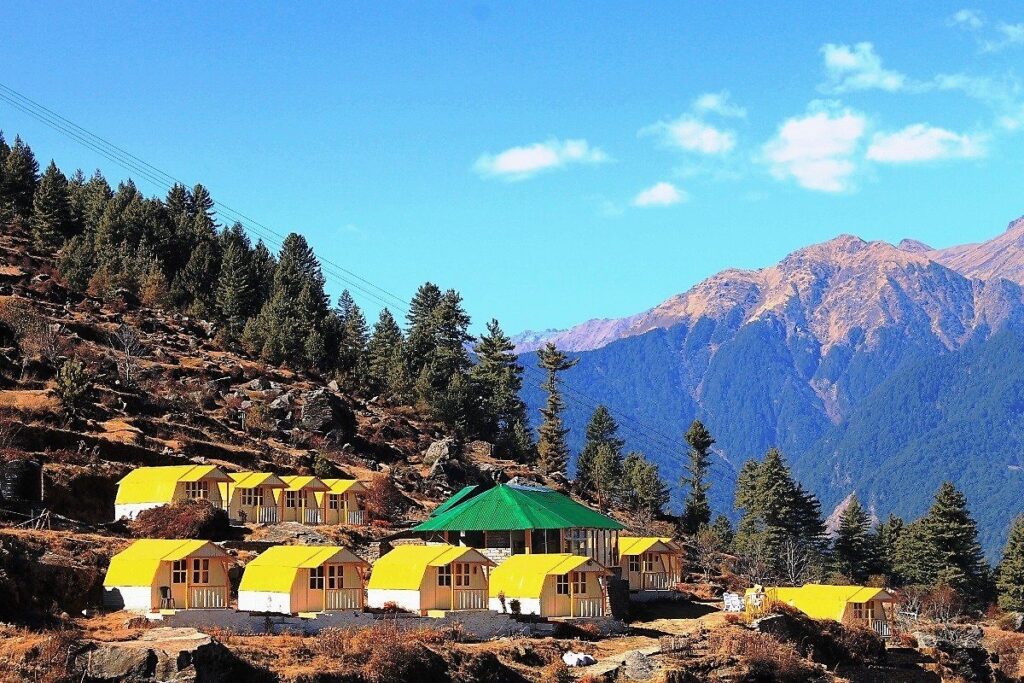
Auli, a famous hill station located in the Chamoli district of Uttarakhand, is known for its ski resorts and beautiful snow-capped mountains. Nestled in the lap of the Himalayas, Auli offers breathtaking views, adventure sports, cable car rides, and serene natural scenery. It is also known as one of the best tourist destinations and hill stations. During the winter season, Auli experiences heavy snowfall, attracting millions of tourists from India and abroad every year. Auli, also known as “Auli Bugyal” in Garhwali, meaning “meadow,” is located at an altitude of 2,800 meters above sea level. Auli is surrounded by coniferous and jasmine forests, offering panoramic views of the Himalayan peaks. The slopes here are suitable for both professional skiers and beginners. Auli is also a major winter sports hub in India, boasting ski slopes. Auli hosted the first South Asian Winter Games and the Indian National Winter Games in 2011. Auli is also popular for related sports such as rafting and mountaineering. Auli came into prominence in the 8th century when Adi Guru Shri Shankaracharya established a monastery at Joshimath, about 6.6 kilometers from here, which still exists today. Following the establishment of the monastery, the place became known as the gateway to the Himalayas. Following Prime Minister Narendra Modi’s appeal for destination weddings in India, Auli in Uttarakhand is becoming a popular destination for weddings, with many couples choosing Auli as their wedding destination.Send feedback

Auli – A famous hill station From Uttarakhand Read More »

Sanju Silodi -The Style Icon

Sanju Silodi -The Style Icon

Many artists have contributed to elevating Uttarakhand’s culture through their art, including the popular actor Sanjay Silodi, also known as Sanju Silodi. He is an actor, dancer, director, singer, and renowned model. He was born on June 30, 1983, in Ratuda village, Rudraprayag, Uttarakhand. He received his primary education from Sant Vivekanand School, Krishna Nagar, Delhi, and his bachelor’s degree from Delhi University. Sanju Silodi is also known as a “style icon” and a “hit machine” in the Uttarakhand music industry. His acting career began with the album “Nathula Wali Bo.” He initially faced failure, but after much struggle, he released his famous and superhit music video album, “Babli Tero Mobile,” sung by Gajendra Rana and produced by T-Series. Following the success of “Babli Tero Mobile,” he has appeared in over 500 songs in Garhwali, Kumaoni, Jaunsari, Hindi, and Punjabi. Harsh Patel is instrumental in Sanju Silodi’s success, having described his looks, His physique, and especially his smile, as perfect for the film industry, and then refused him work. He also suggested enrolling him at the National School of Drama to learn acting. While studying at the school, he developed an interest in acting and later chose it as his career. His elder brother, Sagar Sharma Silodi, also helped him enter the Uttarakhand music industry. He has given many hit songs like “Jham Ka Jhola,” “Dil Mein Basi Ge,” “Gajna,” and “Mund Ma Sajni.” Main Awards and Honors 2011 : Best Hillywood Actor Award awarded Best Actor for his outstanding performance in Hollywood.2014 : Best Aftara Award awarded Best Actor by the Uttarakhand Film and Television Radio Organization.2014 : Badri Kedar Award distinguished cultural honor for promoting Uttarakhand culture and giving a new identity to hill songs.YouTube Silver Play Button Awarded to YouTube channel “Apna Sanju“ for digital content and video creation.

Sanju Silodi -The Style Icon Read More »

Kafal : "pillar of rural livelihood"

Kafal “pillar of rural livelihood”

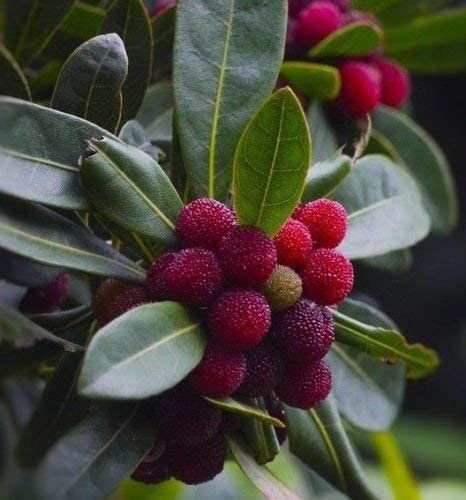
The popular and juicy summer fruit found in the Himalayan region is known as “Kafal.” This fruit is mostly found in cooler areas like Uttarakhand and Himachal Pradesh, at altitudes of 1300 to 2100 meters, for a few months between April and June. It has a sweet and sour taste. The scientific name of Kafal is Myrica Esculata. It is deep red, juicy, and resembles strawberries and blackberries, often eaten with black salt. It is also known as “Bayberry and Box Myrtle” in English. Besides being delicious, this fruit is rich in medicinal properties and provides a cooling effect. Kafal is rich in antioxidants, vitamins, iron, calcium, and zinc, which boost the body’s immunity. Kafal is also a major source of livelihood for local villagers. In Uttarakhand, a festival known as the “Kafal Festival” is organized to preserve Himalayan culture, promote sustainable tourism, and welcome the Kafal season. This festival is a cultural celebration held at DevariyaTal in Sari village in Rudraprayag district, Uttarakhand. Organized by the Pandavaas Group and the Himalayan Folk Festival, it aims to address issues such as forest fires and uncontrolled waste management, and promote traditional folk culture. It is celebrated in the month of Chaitra (March), when the Kafal fruit begins to ripen in the mountains. This three-day festival includes Garhwali music, folk dances, discussions on environmental conservation, nature photography, workshops, and community participation, with visitors enjoying traditional mountain cuisine. Medicinal Properties Of Kafal

Kafal “pillar of rural livelihood” Read More »

Hema Karashi : A Voice of Change and Inspiration

Hema Karashi : A Voice of Change and Inspiration

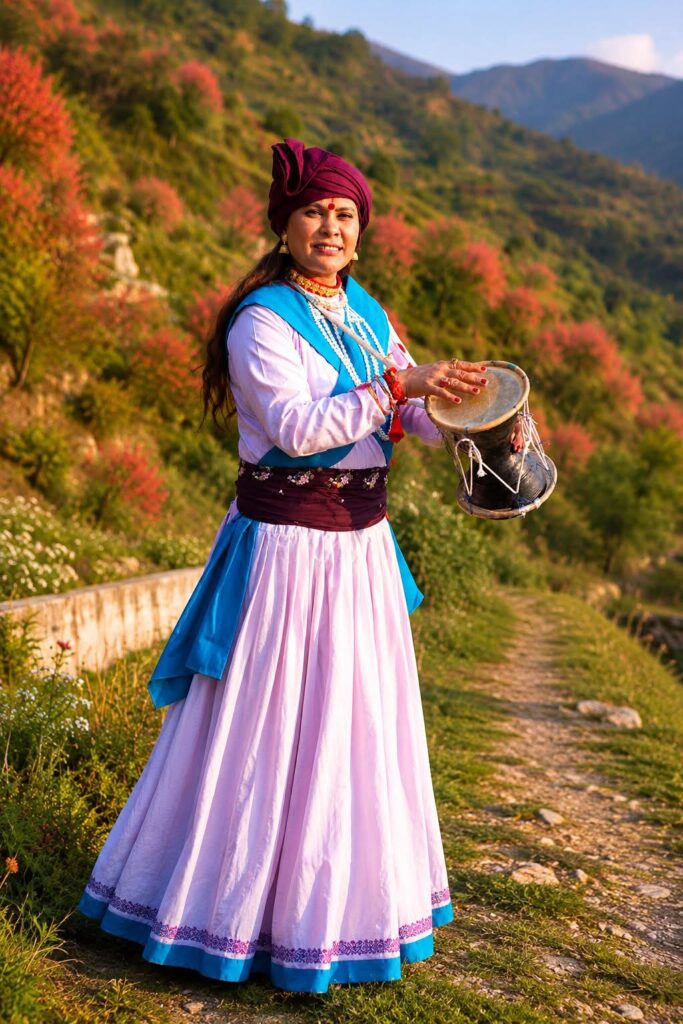
Hema Karasi is a popular and well-known folk singer from Uttarakhand, primarily singing traditional songs, jagars, and bhajans in the Garhwali and Kumaoni languages. She is known for preserving Uttarakhand’s cultural heritage through her voice. Born on April 5, 1984, in Tukhinda village, near August Muni in Rudraprayag district, Uttarakhand, she received her early education in the village. She reportedly had a passion for jagars, mangals, and environmental songs since childhood. She also participated in cultural programs at school. Her interest in music grew, and in 2003, she performed on a public stage for the first time at the annual festival of GIC Kandi, singing “Dharti Hamra Garhwal Ki.” She was applauded not only by the audience but also by prominent guests from All India Radio and Doordarshan. In 2005, Hema Karasi released a Garhwali song album, “Kya Bun Tab.” The songs on the album received widespread acclaim. After gaining fame with her first song, she was also given the opportunity to sing in the album “Katha Kartik Swami” with Garh Ratna folk singer Narendra Singh Negi. This song brought her immense success, and she consistently produced superhit videos and songs, including “Maa Mathiya Mai” (2011-12), “Gir Genduwa” (2013), Achhari Jagar (2014), Dhol Baje (2015), Meri Bamni (2016), Uttarakhandi Mangal Geet (2017), and Meri Parani (2018). She also performs at various fairs, cultural events, and live concerts in Uttarakhand. She has created a distinct identity for herself by breaking the stereotypes surrounding Jagar. While Jagar singing was typically male-dominated, Hema Karasi has carved a niche for herself and mastered the genre. She also started her own music and film production house, “HNK Films Music Production House,” through which she independently produces high-quality traditional music videos. She also promotes Garhwali and Kumaoni folk culture to the youth, both nationally and internationally, through her YouTube channel, which has over 5.5 lakh subscribers. She also helps young people advance their careers by giving them opportunities in her projects. Major Awards and Honors2015 Gopal Babu Goswami Youth Icon National Award 2015 Uttarakhand Organisation Association of New Zealand Award2016 Badri Kedar Vikas Samiti Award2017 Uttarakhand Uday Samman 2016-2017 Youth Icon National Award2018 Uttarakhand Press Club Award Teelu Rauteli Award given by the government to women for their courage and outstanding work. 2015-16 Uttarakhand Ratna Award for Best Folk Singer Awarded the Best Folk Singer Award by Chief Minister Harish Rawat.

Hema Karashi : A Voice of Change and Inspiration Read More »

Welcome to Sainji – Uttarakhand’s Famous Maize Village of Corn Garlands

Welcome to Sainji – Uttarakhand’s Famous Maize Village of Corn Garlands

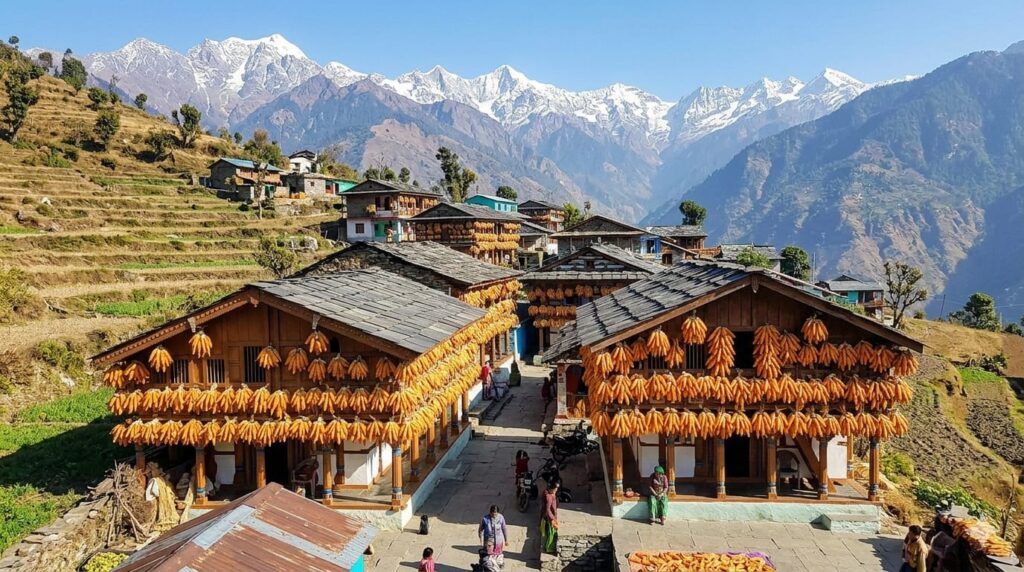
Sainji, a beautiful and famous village in Uttarakhand, is popularly known as the “Maize Village” of India. Located in the Tehri district of Uttarakhand, approximately 10 to 50 kilometers from the Kempty Falls near Mussoorie and about 20 kilometers from the state capital, Dehradun, the village is located in the Jaunsar Babar region, offering an authentic glimpse of organic farming, traditional mountain lifestyles, and deep community ties. The village is popular for its traditional wooden architecture and the vibrant tradition of hanging corn garlands on balconies and doorways. here corn garlands hanging outside homes, demonstrating how Sainji has kept its community farming and traditions alive. The village is renowned throughout India for the corn garlands hanging outside doors, windows, and balconies, which not only enhance its beauty but also keep the tradition alive. Dried corn is not just for decoration, but is an important part of the lives of the people of Sainji. Villagers hang it to dry over the winter, saving the seeds for sowing the next day, and then grinding it to use in their daily diet. It can be seen here that corn is used to decorate homes, display them, and be incorporated into everyday life. More than just a crop, it symbolizes self-reliance and the centuries-old relationship between community and land.

Welcome to Sainji – Uttarakhand’s Famous Maize Village of Corn Garlands Read More »

The Valley of Flowers: A UNESCO World Heritage Wonder

The Valley of Flowers: A UNESCO World Heritage Wonder

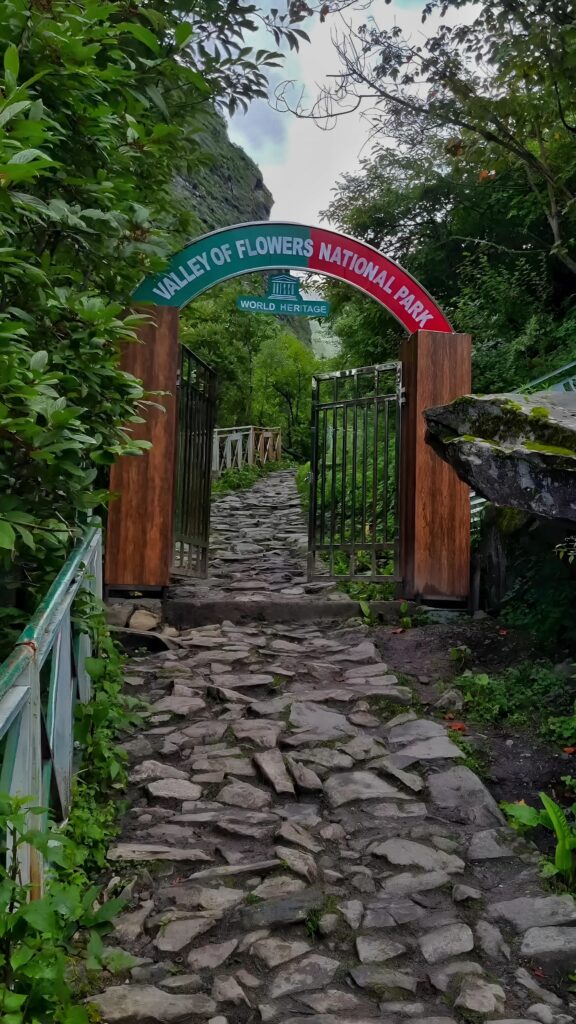
The Valley of Flowers opened its doors to tourists on June 1st. Located in the Chamoli district of the Indian state of Uttarakhand, the Valley of Flowers was designated a UNESCO World Heritage Site in 2005. Situated at an altitude of approximately 3,658 meters above sea level, this valley is renowned worldwide for its breathtaking alpine meadows and for being home to over 500 different species of flowers and flora. The Valley of Flowers remains open to tourists annually from June 1st to October 31st. The period between July and September is considered the ideal time to visit the valley, as August witnesses the blooming of the most spectacular and diverse array of flowers. Various floral species—such as Anemone, Geranium, Marsh Marigold, Aconite, Himalayan Blue Poppy, Lobelia, Saxifraga, Strawberry, Trollius, and Anaphalis can be found here. “The Brahm Kamal (Saussurea obvallata)—the state flower of Uttarakhand is one of the most celebrated flowers found within the Valley of Flowers. Additionally, the Pushpawati River flows through the heart of the valley, further enhancing its natural allure. It is believed that the valley was discovered in 1931 by the British mountaineer Frank S. Smythe and his companions; subsequently, in 1938, Smythe authored a book titled ”The Valley of Flowers” which gained worldwide acclaim. References to the Valley of Flowers can also be found in ancient mythology, where—in the epic Mahabharata—it is referred to as Nand Kanana (the Garden of the Gods). To enter the valley, obtaining a permit from the Forest Department is mandatory; these permits can be booked online via the Uttarakhand government’s website or obtained offline at designated check posts. Camping and overnight stays within the National Park are strictly prohibited. The Brahm Kamal (Saussurea obvallata)—the state flower of Uttarakhand is one of the most celebrated flowers found within the Valley of Flowers. Additionally, the Pushpawati River flows through the heart of the valley, further enhancing its natural allure. It is believed that the valley was discovered in 1931 by the British mountaineer Frank S. Smythe and his companions; subsequently, in 1938, Smythe authored a book titled The Valley of Flowers, which gained worldwide acclaim. References to the Valley of Flowers can also be found in ancient mythology, where in the epic Mahabharata—it is referred to as Nand Kanana (the Garden of the Gods). To enter the valley, obtaining a permit from the Forest Department is mandatory; these permits can be booked online via the Uttarakhand government’s website or obtained offline at designated check posts. Camping and overnight stays within the National Park are strictly prohibited.

The Valley of Flowers: A UNESCO World Heritage Wonder Read More »

Explore Mussoorie: Famous Tourist Attractions and Adventure Experiences

Explore Mussoorie: Famous Tourist Attractions and Adventure Experiences

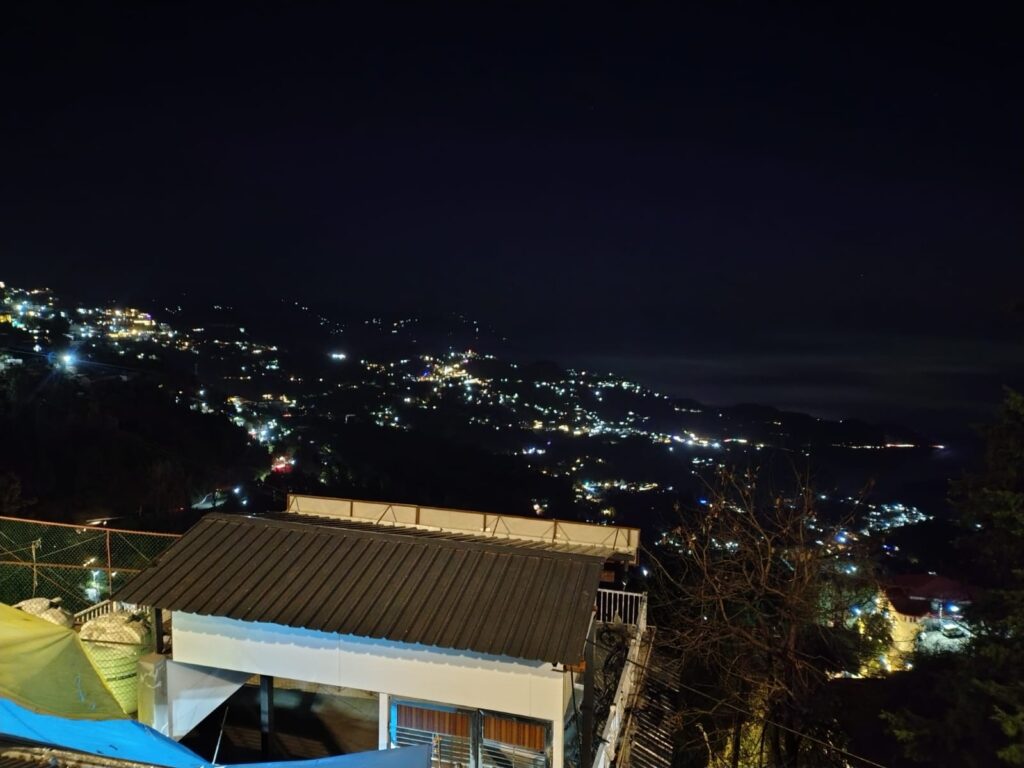
Mussoorie is a beautiful hill town located in the Dehradun district of Uttarakhand. It is approximately 35 kilometers from Dehradun and about 290 kilometers from New Delhi. Nestled between the Shivalik Hills of the Himalayas and the Doon Valley, Mussoorie is known as the “Queen of the Hills.” The climate here remains cool and pleasant year-round, making it a popular destination. Old buildings, hotels, and churches from the British era still enhance its beauty. Mussoorie has many wonderful tourist attractions, such as Gun Hill, Mall Road, Kempty Falls, Lal Tibba, Company Garden, and Camel’s Back Road. Visitors also enjoy nature walks, trekking, boating, horseback riding, and cable car rides. For adventure lovers, activities like rock climbing, paragliding, and mountain biking are also available. Mussoorie is a beautiful blend of nature, tranquility, and adventure. Places to visit in Mussoorie Things to do in Mussoorie

Explore Mussoorie: Famous Tourist Attractions and Adventure Experiences Read More »

From Hotel Chef to Folk Sensation: Inder Arya

From Hotel Chef to Folk Sensation: Inder Arya’s Journey to Becoming Uttarakhand’s Musical Star

Inder Arya is a popular folk singer from Uttarakhand. He is particularly renowned for his Kumaoni and Uttarakhandi folk songs. His music has garnered recognition not only within Uttarakhand but among audiences across the entire country. He was born in the village of Bagpali in Uttarakhand. His wife’s name is Pushpa, and they have two sons. He shares a deep bond with his family and his cultural roots. Before venturing into the world of music, Inder Arya worked as a chef in various hotels across Rajasthan, Haryana, and Punjab for approximately 15 years. Even during that period, he harbored a deep passion for music. In 2018, his colleagues encouraged him to pursue a career in singing. Following this, he dedicated himself seriously to the craft and gradually carved out a distinct identity for himself. To date, Inder Arya has sung over 300 songs. Some of his popular tracks include Mero Lehanga, Hey Madhu, Mathu Mathu, and Modern Kumaun. Many of his songs have gone viral on social media—particularly on Instagram. Millions of “Reels” have been created using his songs, establishing him as one of the most talked-about folk singers in Uttarakhand.

From Hotel Chef to Folk Sensation: Inder Arya’s Journey to Becoming Uttarakhand’s Musical Star Read More »